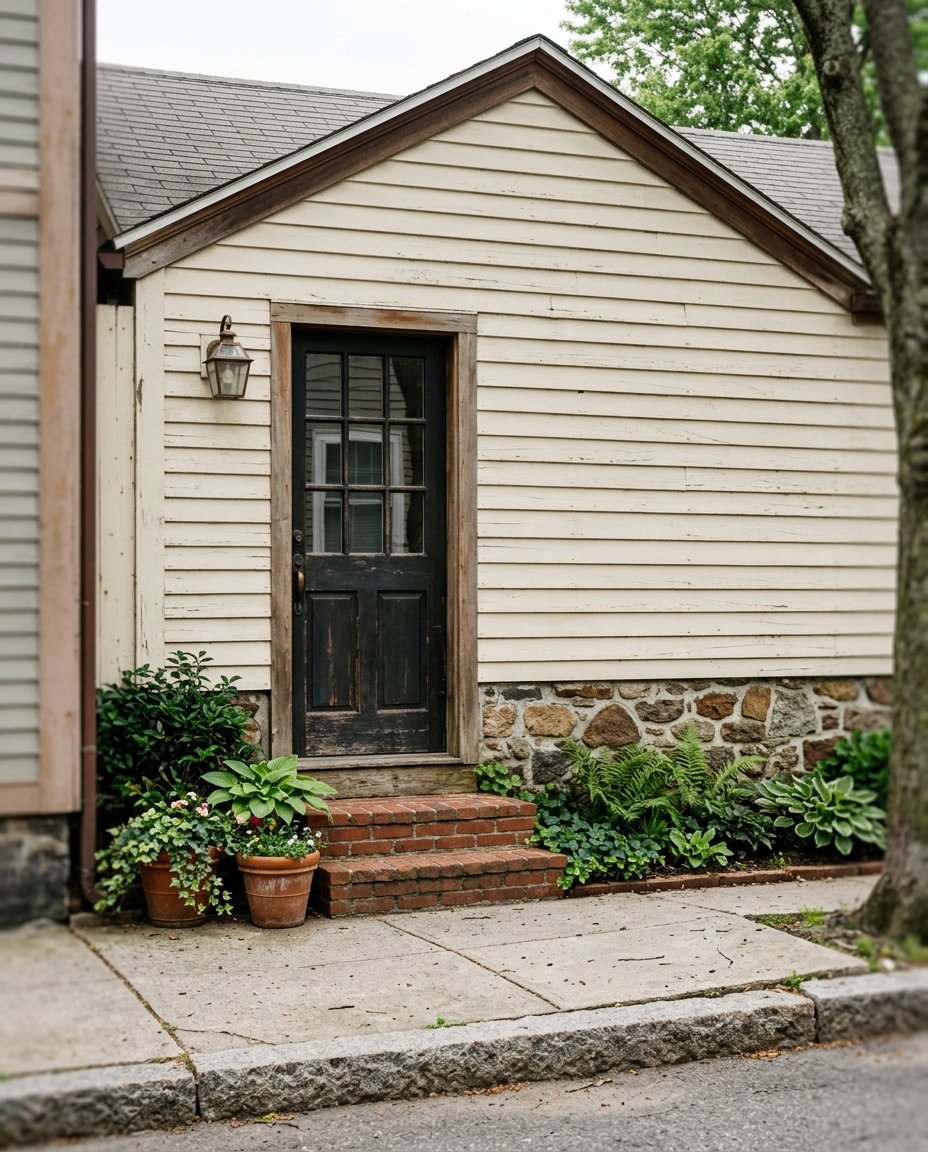
Downtown vs West Concord NH: Find the Right Fit
July 2, 2026
July 2, 2026
Wondering whether downtown Concord or West Concord will feel more like home? If you are moving to Concord or planning your next move within the city, this is one of the most useful comparisons you can make. The two areas offer very different day-to-day experiences, and understanding those differences can help you focus your search with more confidence. Let’s dive in.
If you zoom out, the biggest difference is simple: downtown Concord is the city’s compact mixed-use core, while West Concord is a more residential, lower-density area with commercial strips and more open space. That contrast shapes housing, errands, commuting, and even how your weekends may look.
Downtown tends to fit buyers who want to be close to restaurants, shops, arts, and public gathering spaces. West Concord tends to fit buyers who want a more spread-out residential setting and easier access to green space. Neither is better across the board. It depends on how you want to live.
City zoning describes downtown as a central business district with retail, restaurants, entertainment, cultural spaces, lodging, offices, government uses, and residential uses. Many of these uses are located in architecturally significant 19th-century buildings, often with little or no on-site parking.
For you as a buyer, that usually points to a housing mix that leans more toward apartments, condos, and upper-floor residential units in older mixed-use buildings. If you like character, convenience, and a more compact setting, downtown may feel like a natural fit.
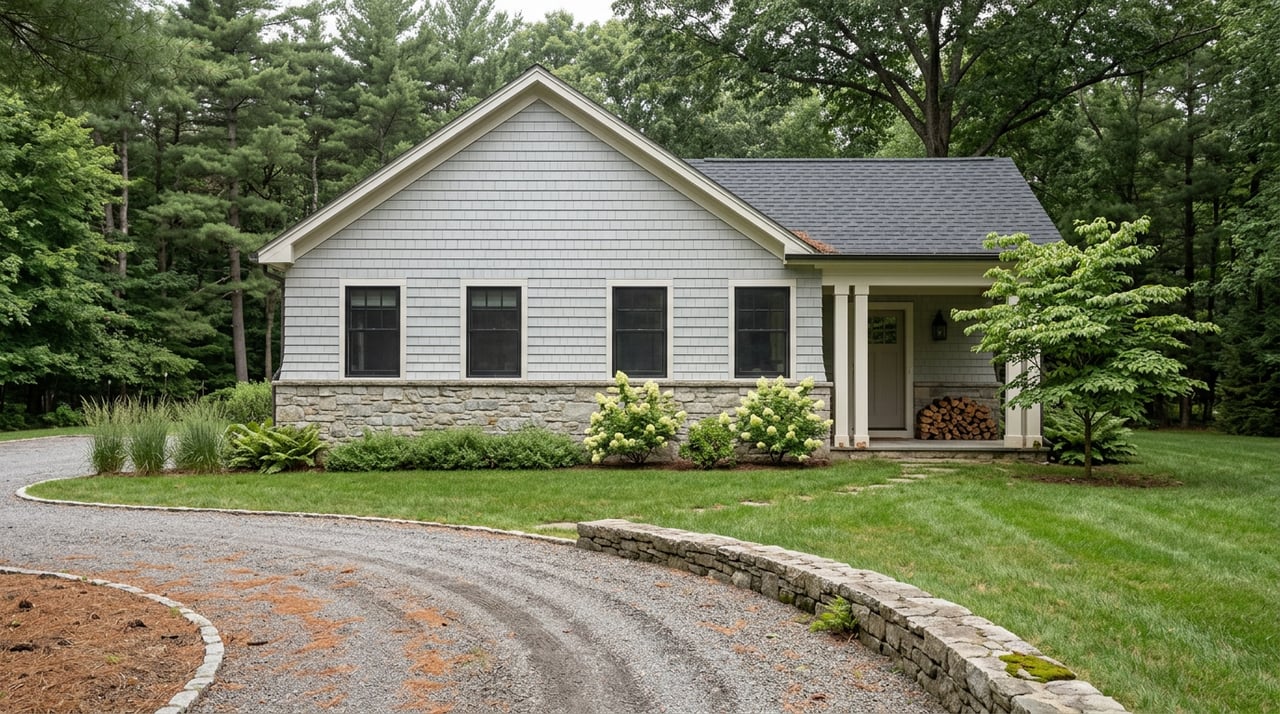
West Concord is described in city planning materials as an area with significant residential development, a strip of commercial development, protected open space, and comparatively little office or industrial development. Multi-family and attached homes exist there, but the overall pattern is lower density.
That means West Concord often feels more residential and more spread out. If you picture a home search focused on a quieter setting with a little more breathing room, this area may line up better with your goals.
Downtown is Concord’s strongest area for walking to shops, dining, and entertainment. The downtown association highlights clothing stores, gifts, books, antiques, cafes, coffee shops, pizzerias, ethnic food, restaurants, dessert spots, seasonal outdoor dining, a performing arts center, an independent movie theatre, a boutique hotel, and museums.
Public gathering spaces add to that rhythm. Bicentennial Square sits in the hub of downtown, and Eagle Square is described as being in the heart of downtown for strolls, lunch breaks, and local concerts. If you want the option to step outside and make an afternoon or evening of it on foot, downtown stands out.
West Concord is less centered on a concentrated main-street environment. City planning materials describe its commercial presence as strip development along Route 3 and Fisherville Road, and they note that lower-density development increases distances to amenities and services.
In practical terms, West Concord is usually more of a drive-to-errands area. You may still have neighborhood-serving retail and services nearby, but your daily routine is more likely to involve getting in the car than walking a compact downtown grid.
Downtown Concord is easy to reach from the regional highway network, including I-93 and I-89. The city’s downtown parking system reflects that, with 1,050 on-street metered spaces, hundreds of free spaces at the edges of the central business district, and three municipal garages totaling 1,215 spaces.
That setup can be a real advantage if you want a central location with regional access. At the same time, parking is simply a bigger part of everyday life downtown than it would be in a more purely residential area.
West Concord’s transportation pattern is tied closely to Route 3 and Fisherville Road. City documents identify Route 3 as a major access road to downtown, and they note that West Concord residents use Fisherville Road to reach employment centers to the south and east.
Those same planning materials also point to congestion and access improvements along that corridor as recurring issues. For many buyers, the key takeaway is that West Concord generally works best when you expect to drive for commuting and errands.
Another west-side feature worth knowing is Langley Parkway. The city describes it as a bypass around downtown, the west end, and the upper west end, with sidewalks, bike lanes, and connections that improve neighborhood connectivity.
If you are comparing west-side locations within Concord, that added connection can matter. It does not turn West Concord into a downtown-style walkable core, but it does support easier movement through the area.
Living near downtown does not mean giving up access to parks. White Park offers walking trails, a playground, splash pad, winter skating, and multiple fields and courts. Rollins Park includes paved walking paths, a pool, tennis courts, a gazebo, and winter ice.
These spaces help balance downtown’s more active pace with room to get outside. If your ideal routine includes coffee, errands, local events, and a nearby park, downtown and the central neighborhoods offer a strong mix.
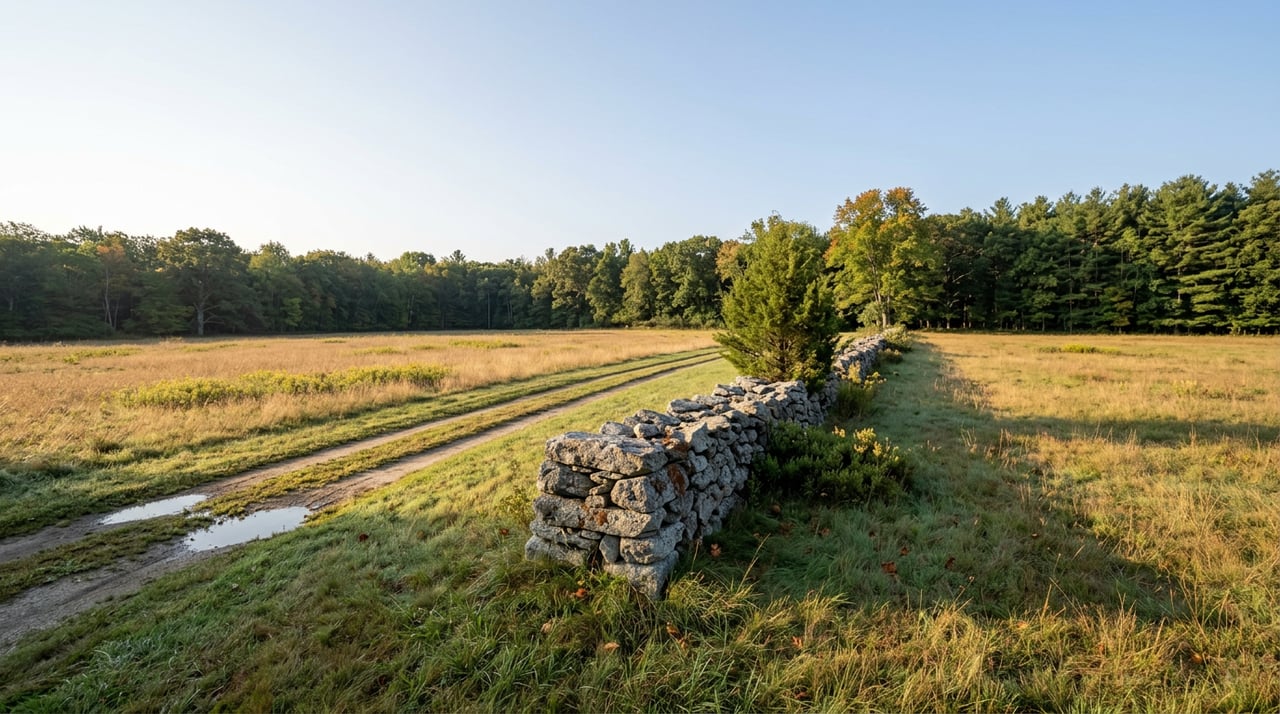
West Concord is especially appealing if you want closer ties to open space and trail-oriented recreation. Concord’s trail resources include places like West End Farm Trail, Merrimack River Trail, and Broken Ground Trails, and city planning materials specifically note that significant open spaces in West Concord are protected.
That can shape your lifestyle in a meaningful way. If your weekends lean more toward walks, trail time, and a residential home base rather than downtown dining and events, West Concord may feel more aligned.
Downtown Concord may be a better fit if you are looking for:
This area often appeals to buyers who want energy, convenience, and a city-center feel in Concord.
West Concord may be a better fit if you are looking for:
This area often appeals to buyers who value a quieter residential base and outdoor access.
The right choice comes down to the lifestyle you want to build. Downtown Concord offers a more compact, mixed-use experience with dining, shopping, arts, and public spaces close at hand. West Concord offers a more residential layout with lower density, commercial convenience along key roads, and stronger access to open space.
If you are narrowing down where to live in Concord, it helps to compare not just homes, but also how each area will support your daily routine over time. If you want thoughtful guidance on matching your home search to the way you actually live, Allison Driscoll would love to help.
Stay up to date on the latest real estate trends.
Our team offers personalized support for buyers and sellers who value lifestyle, community, and connection. Wherever you're headed, we’ll help you find the place that feels just right.