Selling Land in Gilmanton, NH: The Tax You Won't Owe, and the One the Buyer Might
September 3, 2026
September 3, 2026
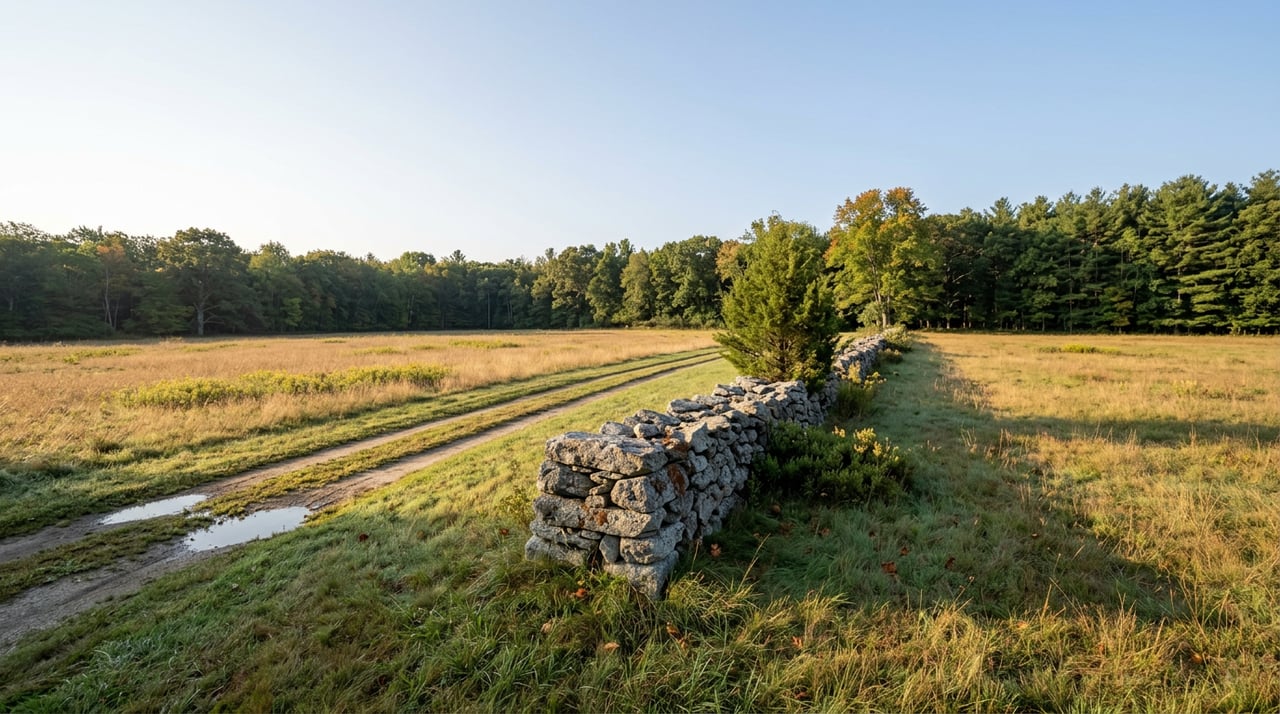
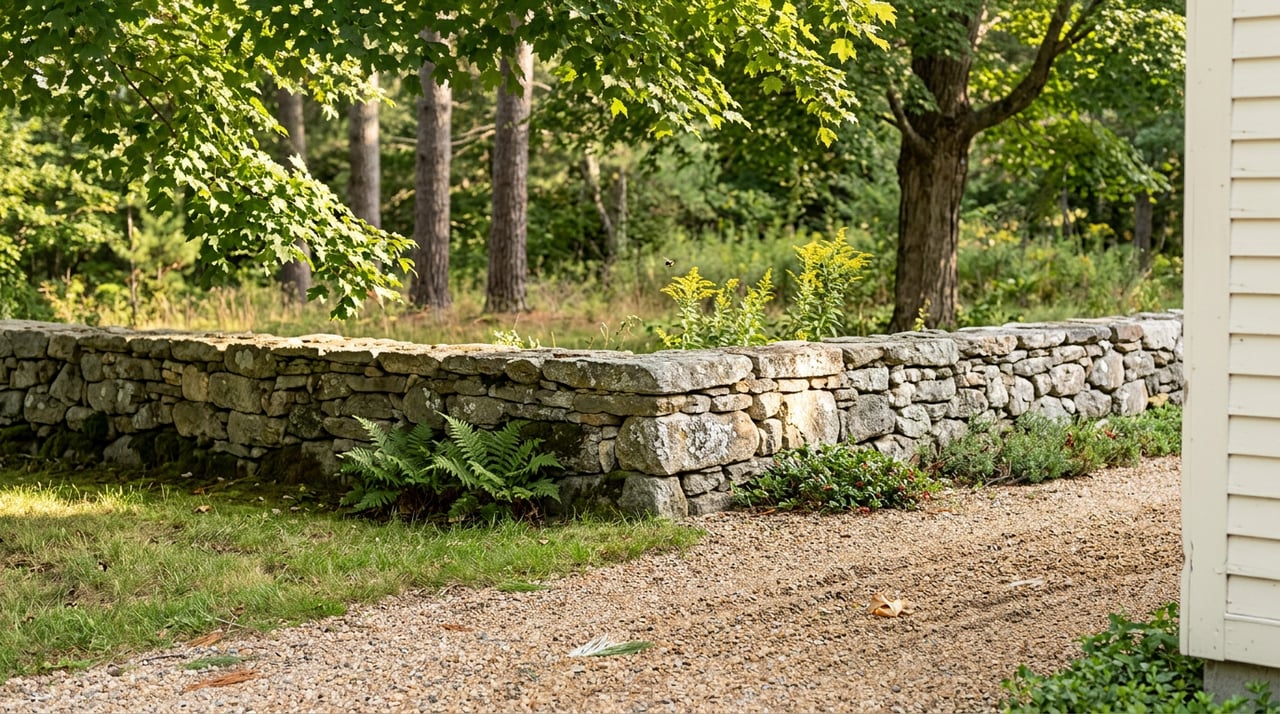
A landowner in Gilmanton lists 14 acres of mixed forest and field this fall, the kind of parcel with a stone wall running the property line and a logging trail cutting toward the back corner. Somewhere in the process, a neighbor or a well-meaning relative mentions "current use" and the seller starts picturing a surprise tax bill waiting at the closing table. It's the single most common fear we hear from people selling acreage in this town, and it's backwards. The tax most sellers brace for almost never lands on them. The one that actually matters shows up earlier, in the disclosure paperwork, and it belongs to whoever builds.
New Hampshire's Current Use program, established under RSA 79-A, taxes qualifying open land at its productive value as forest or farmland rather than its market value as a building lot. More than half the land in New Hampshire is enrolled in some form of Current Use, which means the odds that a Gilmanton acreage listing carries this designation are high, not incidental.
The fear attached to it is the Land Use Change Tax, a one-time charge equal to 10 percent of the land's full market value. Sellers hear that number and assume a sale triggers it. It doesn't. The tax fires when the use of the land changes, not when the deed changes hands. A straight sale of enrolled acreage, where the buyer keeps it as forest, field, or unimproved land, doesn't disturb the Current Use status at all. The classification simply transfers with the property, exactly as it was, to the new owner.
The Land Use Change Tax gets triggered by a physical change to the land, not a change in who owns it. Based on how towns across the state administer RSA 79-A, that includes:
Only the disturbed portion loses its Current Use status. If a buyer builds a house on two acres of a 14-acre parcel, the remaining 12 stay enrolled and the tax applies only to the two that changed. And the obligation follows whoever owns the land at the moment the use actually changes. If a seller closes today and the buyer breaks ground next spring, the buyer is the one who owes it, not the seller who signed the deed months earlier.
None of this means a Gilmanton seller gets to stay quiet about it. New Hampshire's Property Disclosure Statement specifically asks whether a property carries a Current Use designation, and state law requires sellers to disclose material facts that could affect a buyer's use of the property. Current Use status qualifies. A buyer who plans to build a barn, a garage, or a second structure needs to know the acreage is enrolled before they write an offer, because that 10 percent charge on the changed portion's full market value becomes part of their real cost of building, not an afterthought discovered at the town office six months later.
This is where the actual friction lives, and it's a negotiating conversation rather than a tax bill. A buyer who intends to develop part of a Gilmanton parcel should be budgeting for the Land Use Change Tax as part of their offer math from day one. A seller who understands that the tax isn't theirs to pay can say so plainly, which removes a source of confusion that otherwise slows negotiations down.
Gilmanton's inventory leans heavily toward the kind of acreage this program was built for. Current listings and recent sales in town include a working homestead on 6.3 private acres set along a long driveway, a 112-acre wooded lot reached mostly by logging trails, and building lots inside the Smith Meeting House Historic District bordered by the same stone walls that have marked those boundaries for close to two centuries. One recent Sawyer Lake-area parcel of just over 17 acres comes with a right of way requiring a 1,500-foot driveway to reach a buildable spot, exactly the kind of improvement that would trigger the Land Use Change Tax on whatever portion gets disturbed to build it.
This is also a town with real literary history tied to its old homes. Author Grace Metalious wrote Peyton Place in an expanded cape here in 1950, a reminder that the antique and homestead housing stock in Gilmanton isn't a marketing category, it's the actual character of the town.
None of that changes the mechanics of the tax. It does mean more Gilmanton transactions than average will involve a Current Use conversation somewhere between the offer and the closing table.
Anyone pricing acreage in Gilmanton this year runs into a real discrepancy in the numbers, and it's worth sitting with rather than smoothing over.
| Source | Time window | Median price | What it measures |
|---|---|---|---|
| Active listing data | August 2026 | $559,000 | Homes currently listed for sale, up sharply year over year |
| Trailing closed-sale data | 12 months through August 2026 | $435,000 | Actual completed sales, down slightly year over year |
The gap isn't a data error, it's two different markets sitting inside one town. The higher, rising figure reflects what's currently listed, and Gilmanton's active inventory this year includes several large waterfront parcels on Crystal Lake and a 113-acre conserved compound with sweeping mountain views, the kind of listing that pulls an asking-price median upward without necessarily reflecting what typically closes. The lower, softer figure reflects what actually sold over the past year, a mix that leans more toward the working homesteads and smaller acreage parcels that make up the bulk of Gilmanton's roughly 2,156 housing units.
Days on market tell a similarly split story. One dataset puts Gilmanton's median at 73 days as of August 2026, flat compared to a year earlier. Another puts the average closer to 38 days against a national average of 55. The difference likely comes down to median versus average and which twelve-month window each source is drawing from, but the practical takeaway for a seller is the same either way: Gilmanton doesn't move as fast or as uniformly as a suburban subdivision, and pricing a parcel against a single headline number from one site is a good way to misjudge both the offer you'll get and how long you'll wait for it.
If you're selling acreage, forest land, or a homestead property in Gilmanton, the Current Use conversation belongs in your listing prep, not your closing paperwork. Confirm your enrollment status with the town, since there's no single statewide database that tracks Current Use history from application to sale, only whatever records your local assessing office keeps. Disclose the status clearly on the Property Disclosure Statement. And if a buyer signals intent to build, let the purchase and sale agreement do the work of clarifying who's responsible for the Land Use Change Tax if and when that construction happens, rather than leaving it as an assumption on either side.
The tax itself isn't the trap. The trap is a seller who assumes it's coming and a buyer who doesn't realize it's theirs to plan for. Getting that conversation right early is what keeps a Gilmanton land sale moving instead of stalling over a misunderstanding that a five-minute conversation with a local agent would have caught.
Does Current Use status end when the property sells? No. The classification stays with the land regardless of who owns it, and there's no buy-out provision to remove it early.
If my buyer plans to build eventually, do I need to worry about the tax at my closing? Generally no. The tax attaches to whoever owns the land at the moment the use physically changes, which in most cases is the buyer, not the seller who conveyed the property earlier.
Can I just take my land out of Current Use before listing to avoid the whole conversation? Not without disturbing it. Under state law there's no mechanism to voluntarily exit the program short of physically changing the land's use or subdividing it below the acreage threshold, both of which have their own consequences.
If you're weighing a sale of homestead or acreage property in Gilmanton and want to walk through what your specific parcel's Current Use status means for pricing and disclosure, Holistic Homes Group can help you sort the real friction points from the ones that only sound scary. Schedule your free 30-minute consultation and bring your questions, including the ones about the tax you've been told to fear.
Stay up to date on the latest real estate trends.
Our team offers personalized support for buyers and sellers who value lifestyle, community, and connection. Wherever you're headed, we’ll help you find the place that feels just right.