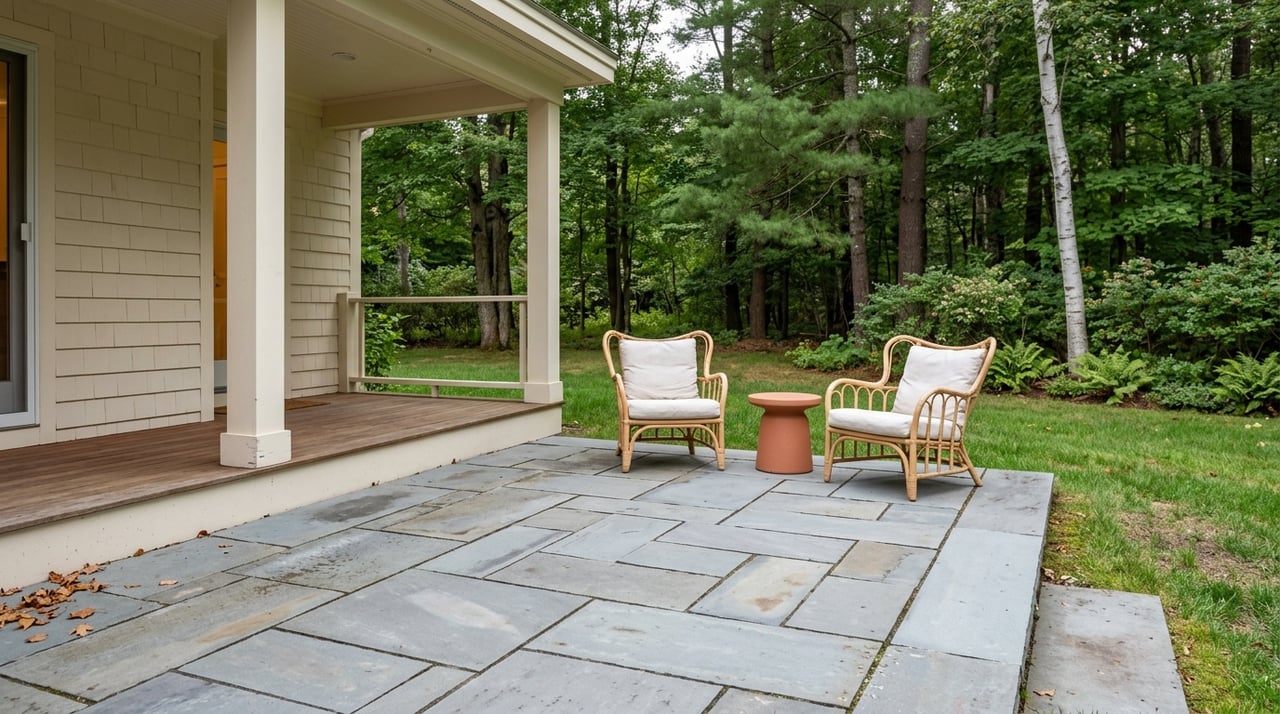
Pembroke NH Relocation Guide: Is This the Right Move?
July 16, 2026
July 16, 2026
Wondering whether Pembroke, NH checks the right boxes for your next move? If you want a town that feels more grounded than busy, with practical commuting access and real outdoor amenities, Pembroke is worth a closer look. Below, you’ll get a clear, research-backed look at what living in Pembroke can feel like, who it may suit best, and what to keep in mind before you buy. Let’s dive in.
Pembroke is a small town in Merrimack County with an estimated 2025 population of 7,579 spread across 22.64 square miles. That works out to about 318.4 people per square mile, which helps explain why the town can feel more spread out and quieter than larger nearby communities.
In the regional picture, Pembroke sits within the Manchester metropolitan labor market area and the Central New Hampshire regional planning area. In practical terms, that means you can live in a smaller town setting while staying connected to larger employment and service hubs.
Pembroke’s roots go back a long way, with town history dating to 1725 and incorporation in 1759. It also includes named places like North Pembroke and Suncook Village, which gives the town a more layered identity than a place built around one single neighborhood pattern.
For many buyers, Pembroke stands out because it offers a balance that can be hard to find. You get a smaller-town footprint, access to major road routes, and a day-to-day setting shaped by parks, conservation land, and established village character.
That combination can be especially appealing if you are looking beyond square footage alone. If lifestyle fit matters to you, Pembroke offers a different experience than a larger city while still keeping everyday travel manageable for many households.
If your routine depends on getting to Concord, Manchester, or other nearby job centers, Pembroke’s road network is an important part of the story. The town’s 2020 master plan identifies Route 3 as the principal arterial serving Pembroke, while Route 106 and Route 28 are classified as minor arterials.
A short section of Interstate 393 also runs through the northern tip of town. Another corridor study describes Route 3 as the main commuting route for many Pembroke residents traveling toward Concord and Manchester.
Census data supports that commuting pattern. Pembroke’s mean travel time to work was 24.6 minutes in the 2020 to 2024 American Community Survey, which is slightly below New Hampshire’s statewide average of 26.7 minutes.
Pembroke is best understood as a road-oriented town. If you are comfortable with a driving-based routine, the location may feel practical and convenient for day-to-day life.
If you are hoping for a denser, more urban setting with extensive local transit options, Pembroke may not align as closely with your priorities. Its strengths lean more toward ease of driving and regional access than city-style mobility.
One of Pembroke’s strongest lifestyle features is how tangible its recreation setup is. Memorial Park includes four ball fields, beach volleyball, a basketball court, a fitness course, a playground, picnic areas, a pavilion, a stage, a gazebo, horseshoes, and a boat launch.
That is a substantial amenity list for a town of this size. It gives residents a central place for outdoor time, casual gatherings, and local events throughout the year.
The Recreation Commission also supports summer recreation programming, leagues, yoga, concerts, and youth and family activities. If you value having organized activities as well as open space, that variety can be a meaningful plus.
Pembroke also has a strong open-space culture reflected in its conservation documents and town policies. Town conservation lands allow hiking, walking, non-motorized biking, cross-country skiing, snowshoeing, and wildlife-related uses such as fishing.
White Sands Conservation Area is open from 6:00 a.m. to 9:00 p.m., and resident facility permits are required for parking. The town also notes that the free facility permit covers both the transfer station and White Sands Conservation Area.
For buyers who want regular access to trails and natural areas without leaving town, that can be an important part of Pembroke’s appeal. It supports a lifestyle that feels connected to the outdoors in a practical, everyday way.
Some towns feel anonymous. Pembroke reads differently because its local identity is reinforced by its history, named village areas, parks, town calendar, and active boards and commissions.
That does not mean every resident will experience the town the same way, but it does suggest a place with visible local structure and ongoing civic activity. If you like towns where community life is supported by local events and public spaces, Pembroke may feel like a more intentional fit.
Suncook Village and North Pembroke also add to that sense of place. Instead of feeling like one uniform development pattern, Pembroke has a more distinct village-and-town character.
Pembroke’s housing numbers suggest a market that is mostly owner-occupied and somewhat more accessible than some other parts of New Hampshire. Census estimates show a 67.4% owner-occupied housing rate, a median owner-occupied home value of $371,500, median monthly owner costs of $2,260 with a mortgage, and median gross rent of $1,218.
The same source reports a median household income of $89,519. Compared with statewide figures, Pembroke’s owner-occupied rate, median value, and median rent are all below the New Hampshire median.
That does not guarantee affordability for every buyer, of course. But it does mean Pembroke may feel more approachable than higher-priced parts of the state, especially if you are comparing multiple towns in the greater Concord area.
| Pembroke housing snapshot | Estimate |
|---|---|
| Owner-occupied rate | 67.4% |
| Median owner-occupied value | $371,500 |
| Median monthly owner costs with mortgage | $2,260 |
| Median gross rent | $1,218 |
| Median household income | $89,519 |
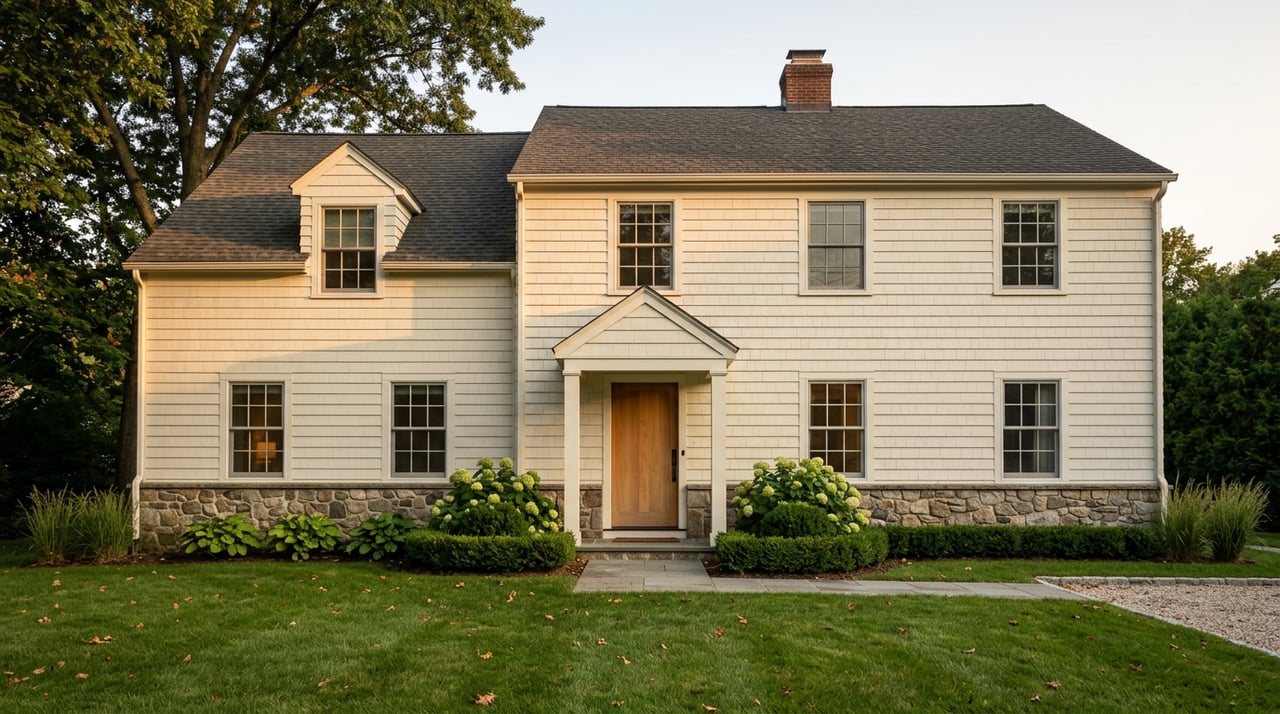
If you are drawn to homes with personality, Pembroke has real depth. Historic resources documents describe surviving early houses in Suncook Village and along Pembroke Street, including double houses, central-chimney houses, I-houses, and brick Federal and Greek Revival examples such as the Doe House.
That matters because housing style can shape how a town feels as much as price point or commute time. In Pembroke, architectural history is part of the local fabric, not just an occasional exception.
For buyers interested in antique homes, village-era streetscapes, or properties with New England character, Pembroke may offer more texture than towns defined mostly by newer suburban housing. If you prefer only newer construction, this historic backdrop is still useful context when narrowing your search.
Pembroke is often a strong match if you want a smaller-town setting with practical road access and real outdoor amenities. It can also make sense if you are looking for a place with some historic character and a more rooted local identity.
You may want to look more closely at Pembroke if you are:
No town is ideal for everyone, and clarity matters when you are making a long-term move. Pembroke is much smaller than Concord by population and only slightly smaller than Bow, so your experience here will be shaped by that scale.
If your top priority is a larger urban core, a more concentrated commercial environment, or a lifestyle built around city density, Pembroke may feel too quiet or spread out. Its appeal is more about balance, breathing room, and connection to the region through road access.
Before deciding whether Pembroke is the right fit, it helps to think beyond the listing itself. The best move is usually the one that aligns with your daily routine and long-term goals.
Ask yourself:
If those questions point you toward a quieter, connected, and outdoors-friendly town, Pembroke may deserve a spot near the top of your list.
Pembroke offers a specific kind of value. It is not trying to be the biggest town in the region, and that is part of the point. For the right buyer, its mix of manageable commuting, outdoor access, local identity, and character housing can create a lifestyle that feels both practical and personal.
If you are weighing Pembroke against other central New Hampshire towns, a local, lifestyle-first conversation can make the decision much clearer. When you’re ready to talk through your goals, commute, and home style preferences, connect with Allison Driscoll for a thoughtful next step.
Stay up to date on the latest real estate trends.

Our team offers personalized support for buyers and sellers who value lifestyle, community, and connection. Wherever you're headed, we’ll help you find the place that feels just right.