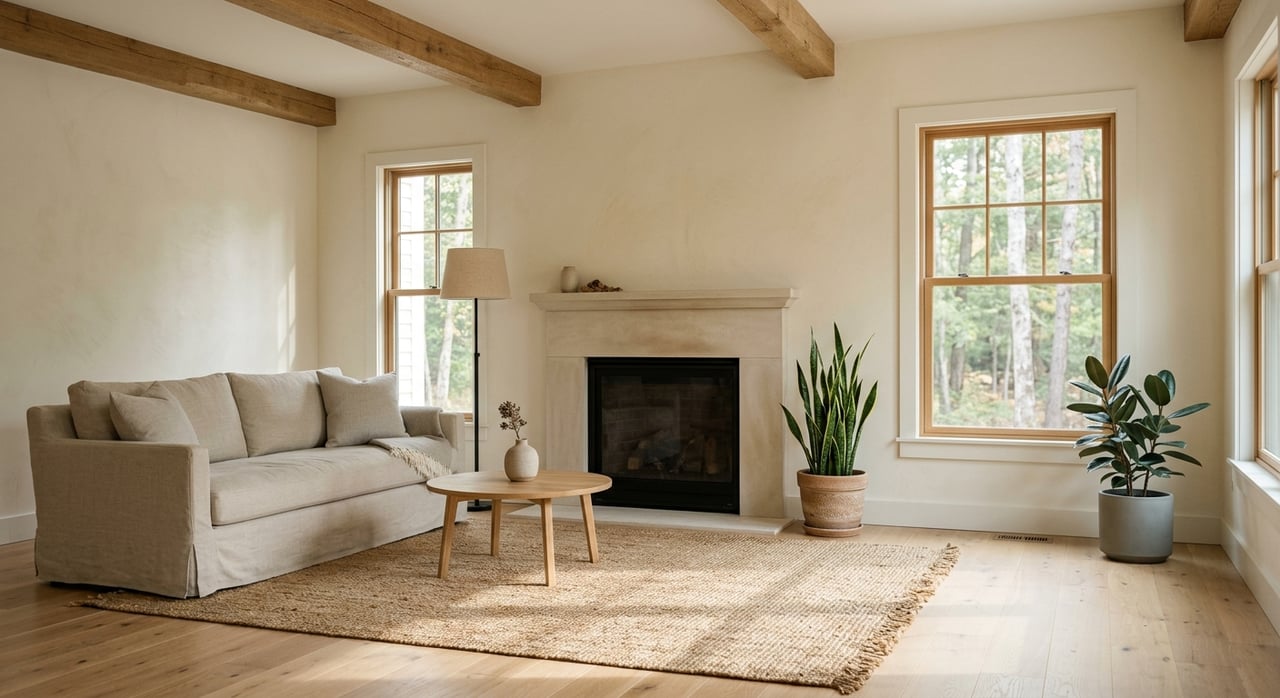
How to Prepare to Sell Your Home in Bow NH Well
June 25, 2026
June 25, 2026
Wondering how to make your Bow home stand out without pouring money into a major remodel? You are not alone. Even in a market where buyers still face limited choices, presentation, pricing discipline, and timing can shape how quickly your home sells and how buyers respond. If you are planning a move in Bow, this guide will help you focus on the prep work that matters most so you can launch with confidence. Let’s dive in.
Bow is a small Merrimack County town with a spring 2026 market snapshot that showed roughly 21 to 29 active listings, median list prices around $680,000 to $689,000, days on market around 25, and sale-to-list performance around 102%. Those figures come from different consumer platforms and dates, so it is best to read them as a range rather than one exact number. Still, they point to the same reality: buyers are active, but strong results still depend on how well your home is prepared.
At the state level, New Hampshire also remains a market with limited inventory. In April 2026, the statewide median single-family sales price reached $560,000, and inventory stood at 1.8 months of supply. For you as a Bow seller, that means you may have real opportunity, but you still need a polished, well-priced listing to capture attention quickly.
The best home sale prep usually does not happen in a frantic week before photos. A better approach is to work backward from your ideal list date and tackle the process in stages. That gives you time to make thoughtful decisions, avoid rushed spending, and present your home at its best.
This is the time to declutter, depersonalize, and make a full repair list. You want your home to be ready for buyer scrutiny, not just everyday living. Start removing excess furniture, clearing surfaces, and packing away highly personal items so rooms feel more open and easier to picture.
Walk through your home with fresh eyes and note what stands out. Loose hardware, chipped paint, worn caulk, squeaky doors, and unfinished small repairs can become mental red flags for buyers. Small issues often feel bigger during showings than they do during daily life.
Use this window to finish visible cosmetic work and higher-value updates. If you are going to paint, swap dated light fixtures, refresh cabinet hardware, or improve tired exterior details, this is the time to do it. The goal is not to redesign your home. The goal is to reduce distractions and create a clean, cared-for impression.
In the final month, shift your attention to deep cleaning, staging, and show-ready presentation. This is when your home needs to photograph well and feel consistent from room to room. By the time your listing goes live, the heavy lifting should already be done.
If you are deciding where to spend money before listing, focus on improvements buyers can see right away. National cost-versus-value research found that exterior replacement projects often return more value than large discretionary interior remodels. A minor kitchen remodel was the only interior project in the top five, which supports a practical strategy: fix what is visible, skip the oversized overhaul unless a major issue truly needs attention.
For most Bow sellers, smart pre-listing updates include:
A full kitchen or bath renovation usually is not the best use of time when you are 60 to 90 days from listing. In many cases, clean, bright, and well-maintained beats brand new but unfinished.
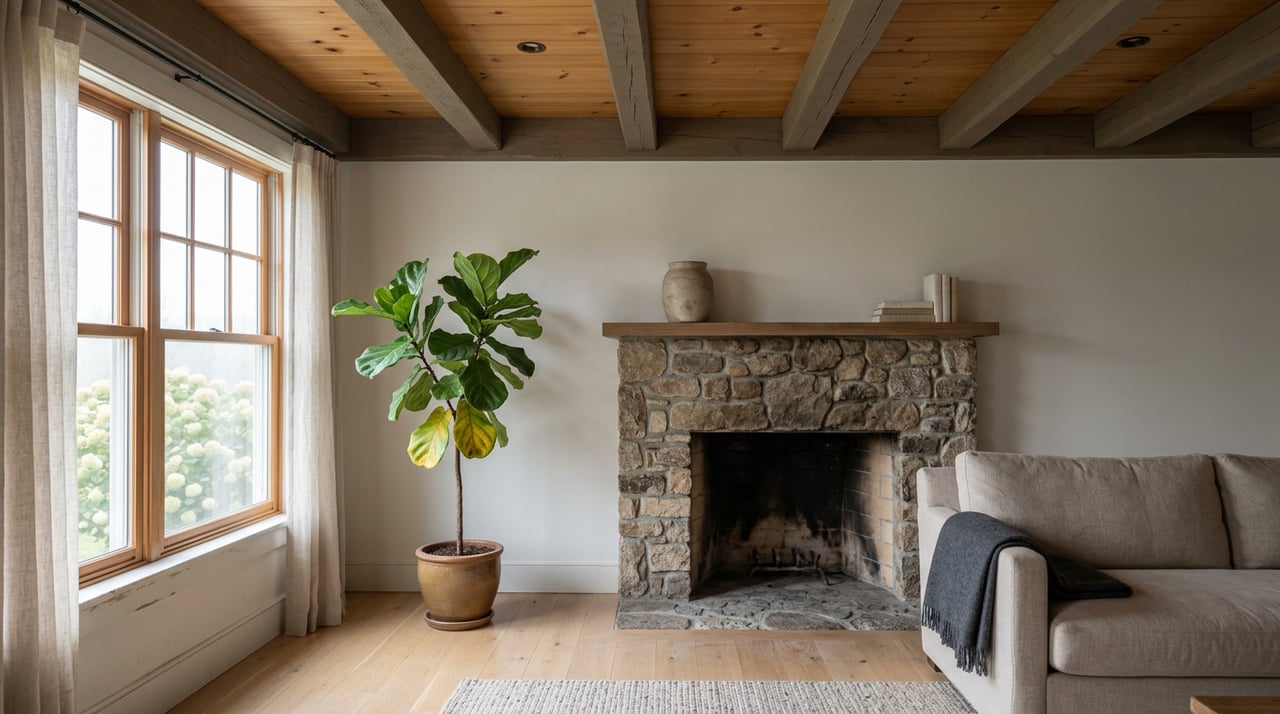
Staging does not mean making your house look artificial. It means helping buyers understand the space and imagine how it lives. According to NAR’s 2025 staging report, 60% of buyers’ agents said staging affected most buyers’ view of the home most of the time, and 83% said staging made it easier for buyers to visualize the property as a future home.
The same report showed the rooms most commonly staged were:
If your budget or time is limited, start there. These are the spaces buyers tend to notice quickly, both online and in person. Clear surfaces, balanced furniture placement, clean bedding, and simple styling can go a long way.
Bow’s climate adds a local wrinkle to seller prep. The town reports a January average temperature of 22°F and about 39.8 inches of annual precipitation. That means winter wear and spring residue can linger, especially around entryways, paths, porches, and landscaping.
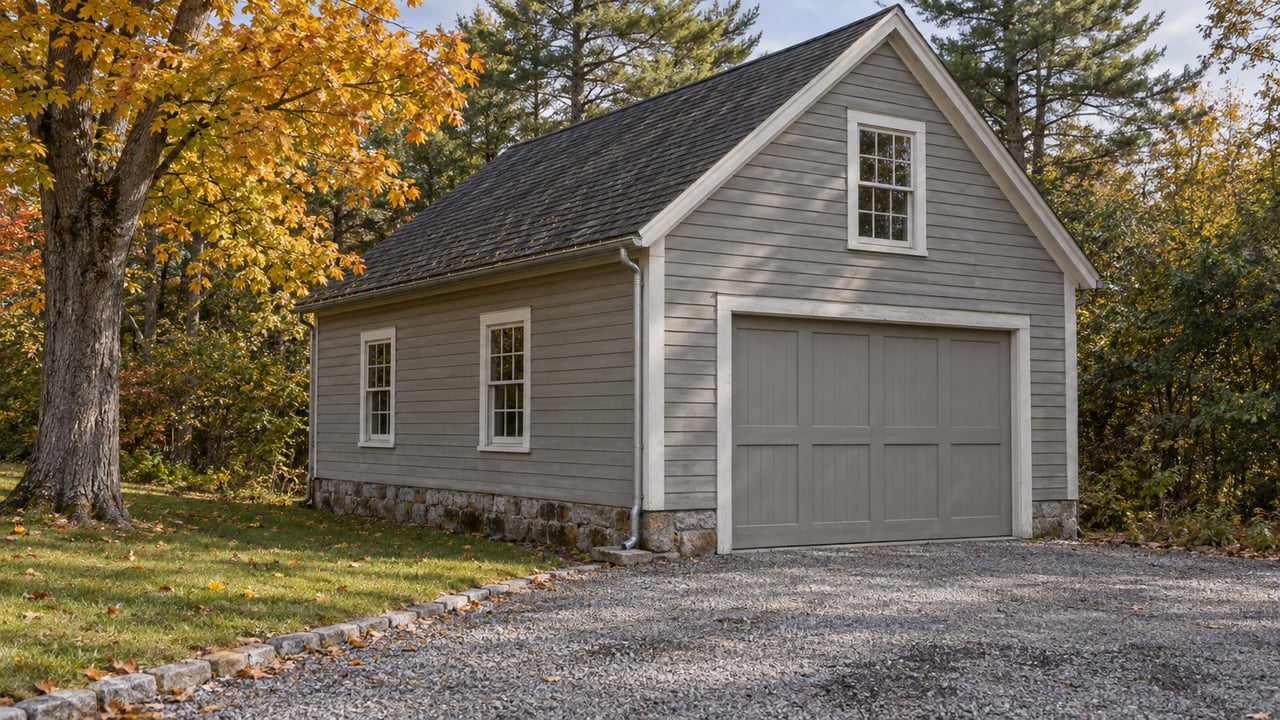
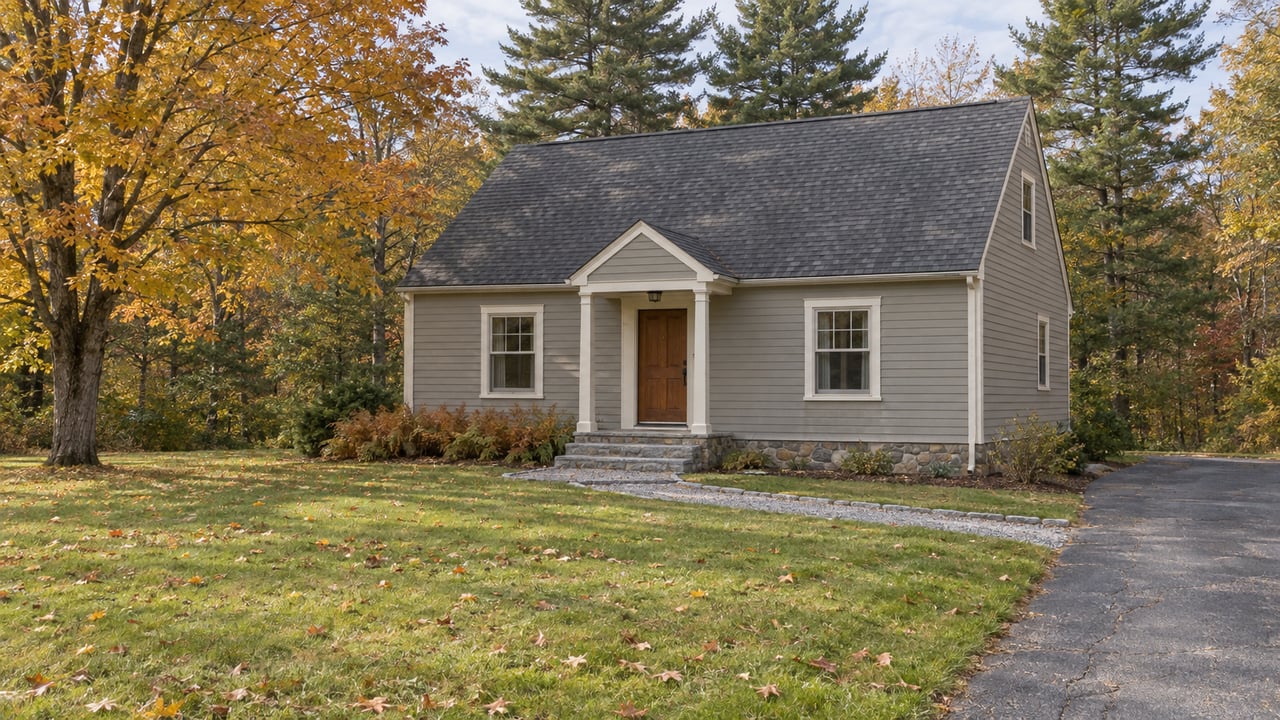
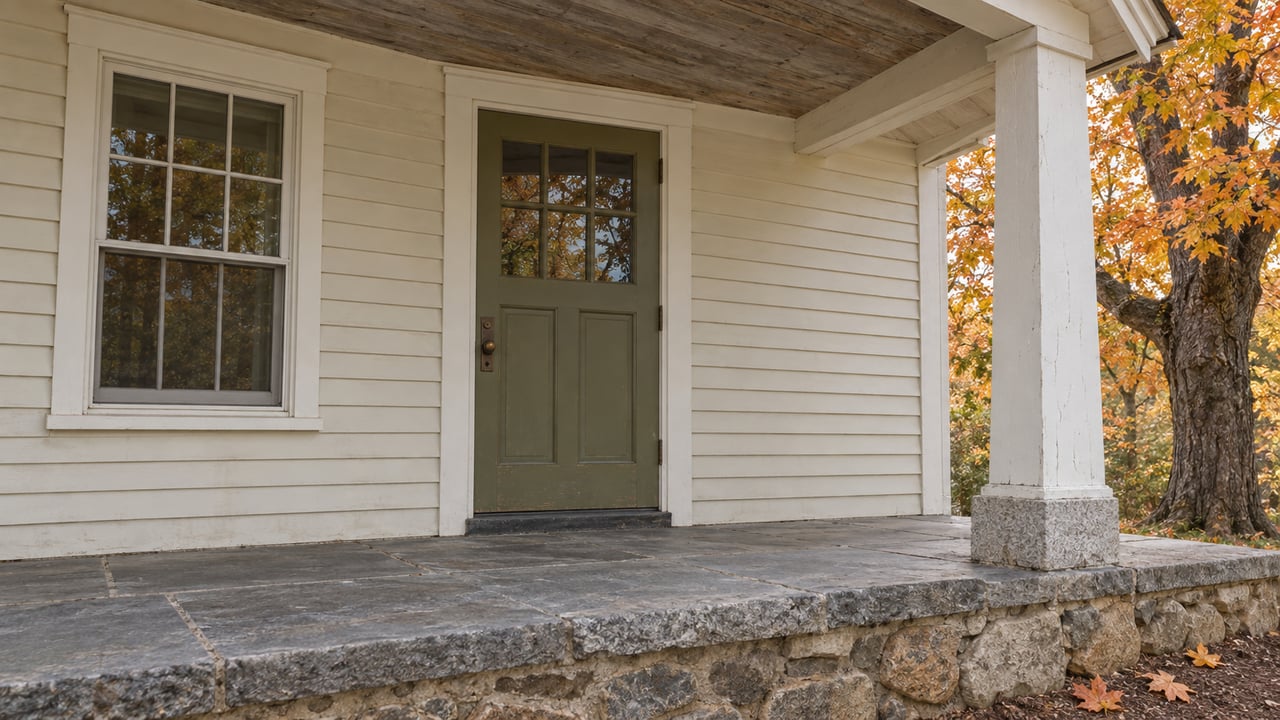
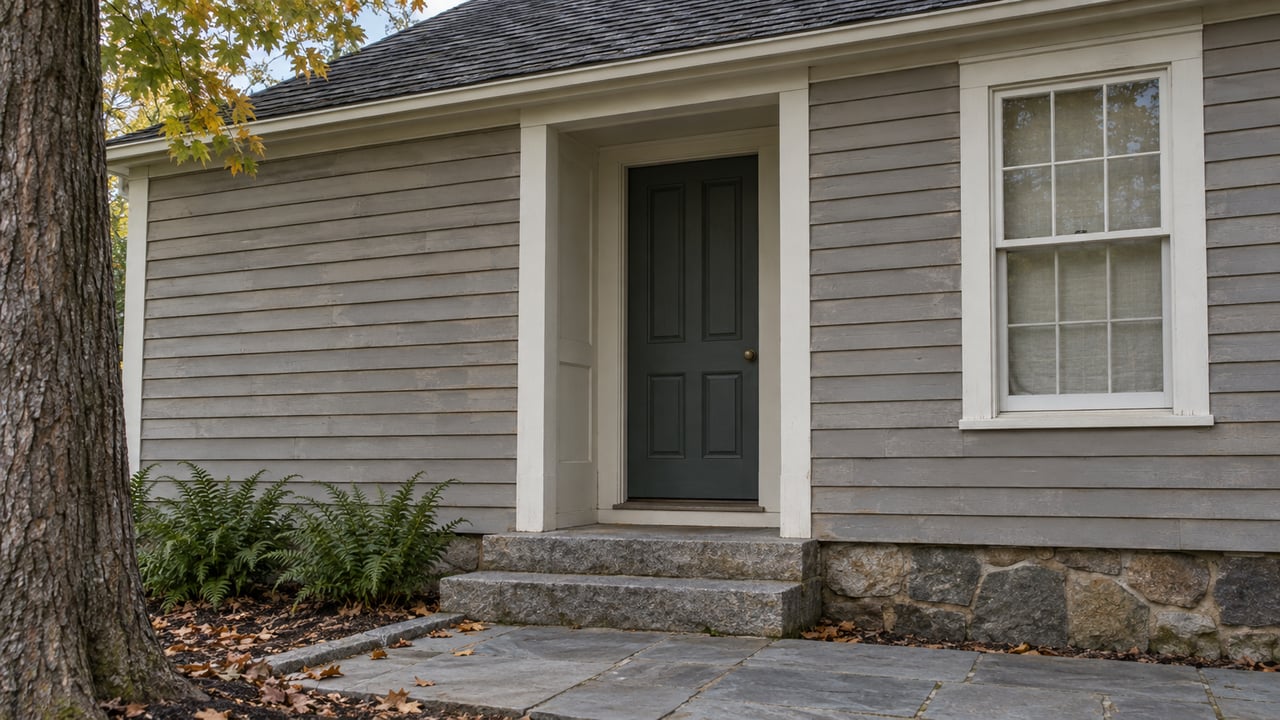
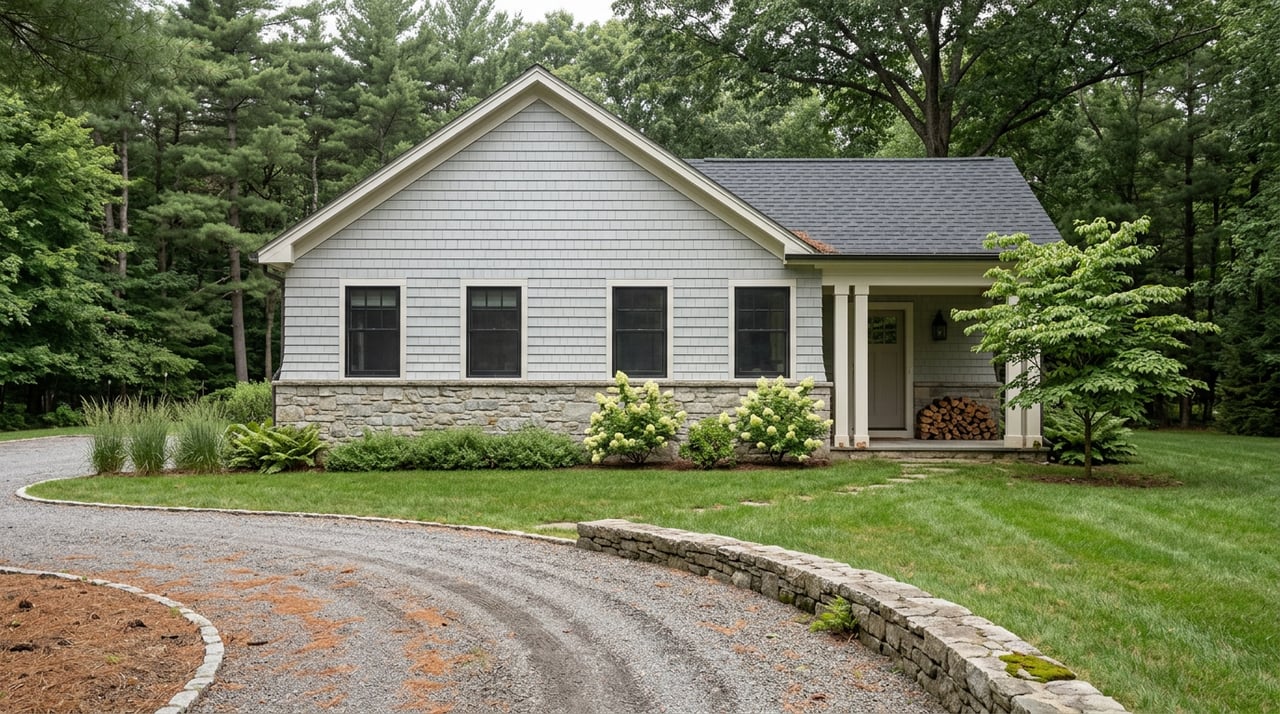
Before your home hits the market, take time to address exterior details that may affect first impressions in both photos and showings. Pay close attention to:
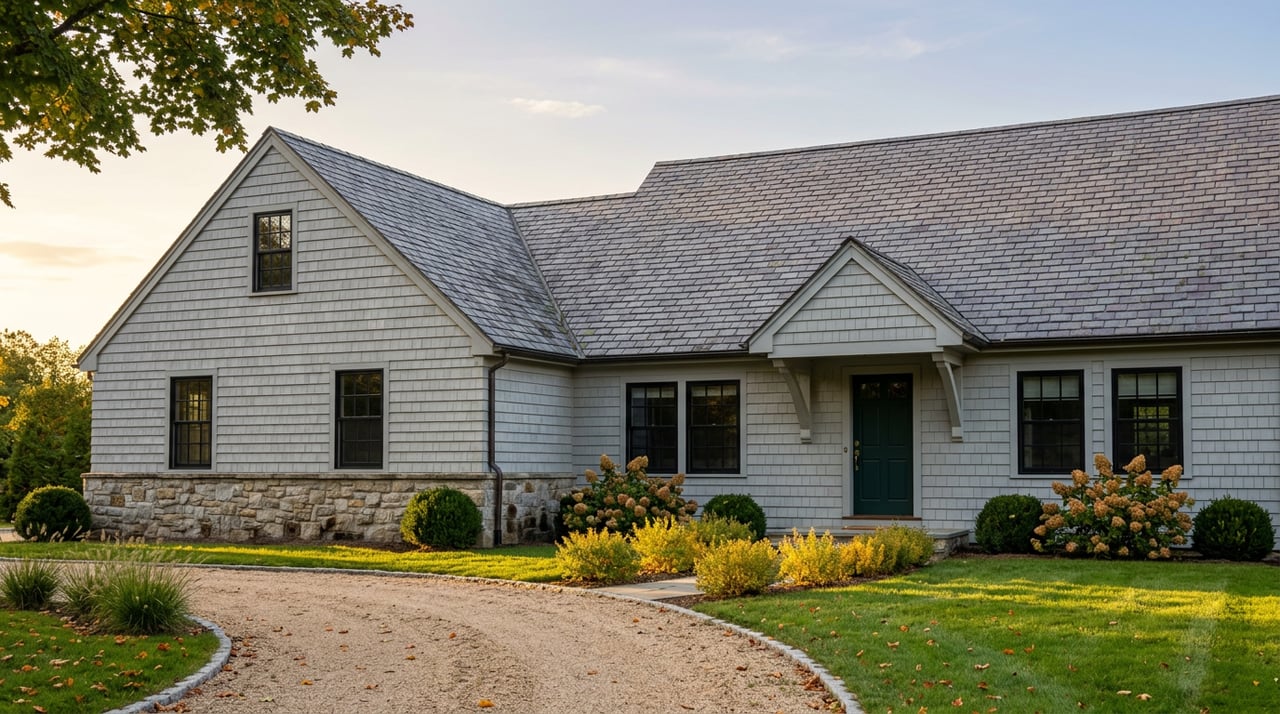
In Bow, curb appeal is not just about flowers and lawn stripes. It is also about making the property look clean, safe to approach, and seasonally cared for.
Most buyers start their search online, which means your first showing often happens on a screen. NAR’s 2025 home-buyer trends report found that 43% of buyers first looked online for properties for sale. Among internet users, photos were the most useful website feature for 83%, followed by detailed property information at 79%, floor plans at 57%, and virtual tours at 41%.
That data tells you something important: your digital presentation needs to be strong before the first public showing happens. If the home is not fully ready for photography, it is usually worth waiting. Rushing to market with weak photos can undercut all the work you have done.
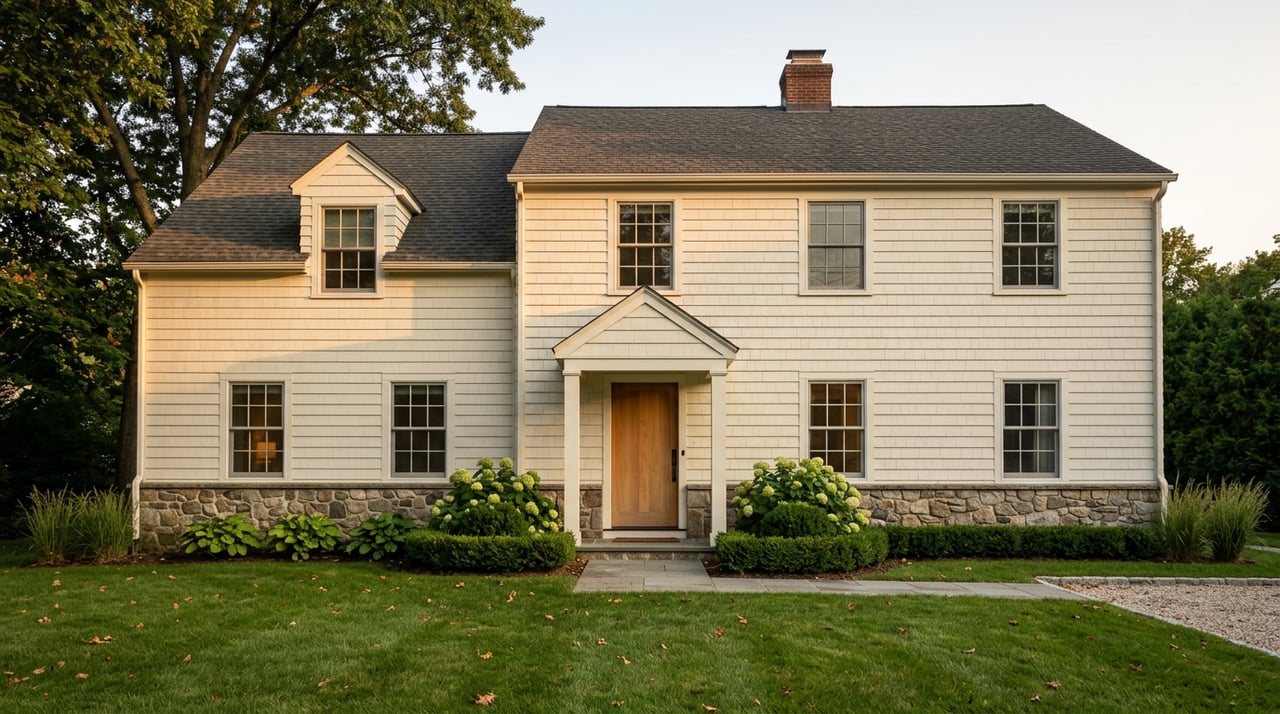
NAR’s staging research also found that 73% of buyers’ agents rated photos as an important listing asset, ahead of physical staging, video, and virtual tours. The lead image matters especially much because it sets expectations for the rest of the listing. In simple terms, your online debut needs to feel inviting, accurate, and polished.
Once your listing is live, your job shifts from prep to consistency. Buyers may move through your home quickly, but they tend to absorb a lot in a short time. Cleanliness, smell, lighting, and room flow all leave an impression.
Before each showing, try to keep the home bright, tidy, and comfortable. Open blinds where appropriate, turn on lamps in darker areas, and keep surfaces as clear as possible. If you have already decluttered and staged well, daily prep becomes much easier.
Open houses still have value, but they are usually not the first thing that draws buyers in. NAR’s generational trends report showed that only 3% of buyers visited open houses as their first step in the search process. That means your online listing typically does the heavy lifting first.
A strong open house works best when it builds on great photos and solid property details. NAR guidance recommends preparing with cleaning, decluttering, depersonalizing, and getting the temperature and lighting right. It also suggests the first open house is often most effective the weekend after the property goes live, when online exposure is fresh.
In a market where Bow homes have recently shown around 102% sale-to-list performance, it can be tempting to assume any listing will do well. But buyers still compare condition, value, and overall presentation. A home that feels overpriced or underprepared can lose momentum, even when inventory is limited.
That is why the best results often come from pairing strategic pricing with thoughtful preparation. When your home looks move-in ready, photographs beautifully, and enters the market with a clear plan, buyers are better able to respond quickly and confidently.
If you want a simple roadmap, here is a strong place to start:
Selling a home in Bow is not just about getting it on the market fast. It is about presenting it in a way that matches how buyers actually shop today. When you prepare early, focus on visible improvements, and make your online debut count, you give yourself a stronger chance at a smooth and successful sale.
If you want a thoughtful plan tailored to your home, your timing, and the Bow market, Allison Driscoll can help you create a clear next step.
Stay up to date on the latest real estate trends.
Our team offers personalized support for buyers and sellers who value lifestyle, community, and connection. Wherever you're headed, we’ll help you find the place that feels just right.