How to Sell an Antique Home in Canterbury NH
May 7, 2026
May 7, 2026
Wondering how to sell an antique home in Canterbury without losing what makes it special? You are not alone. Older homes often come with more questions, more paperwork, and more emotion than a typical sale, but they also offer a story and setting that many buyers cannot find anywhere else. If you are preparing to list a character property in Canterbury, this guide will help you understand the local considerations that matter most. Let’s dive in.
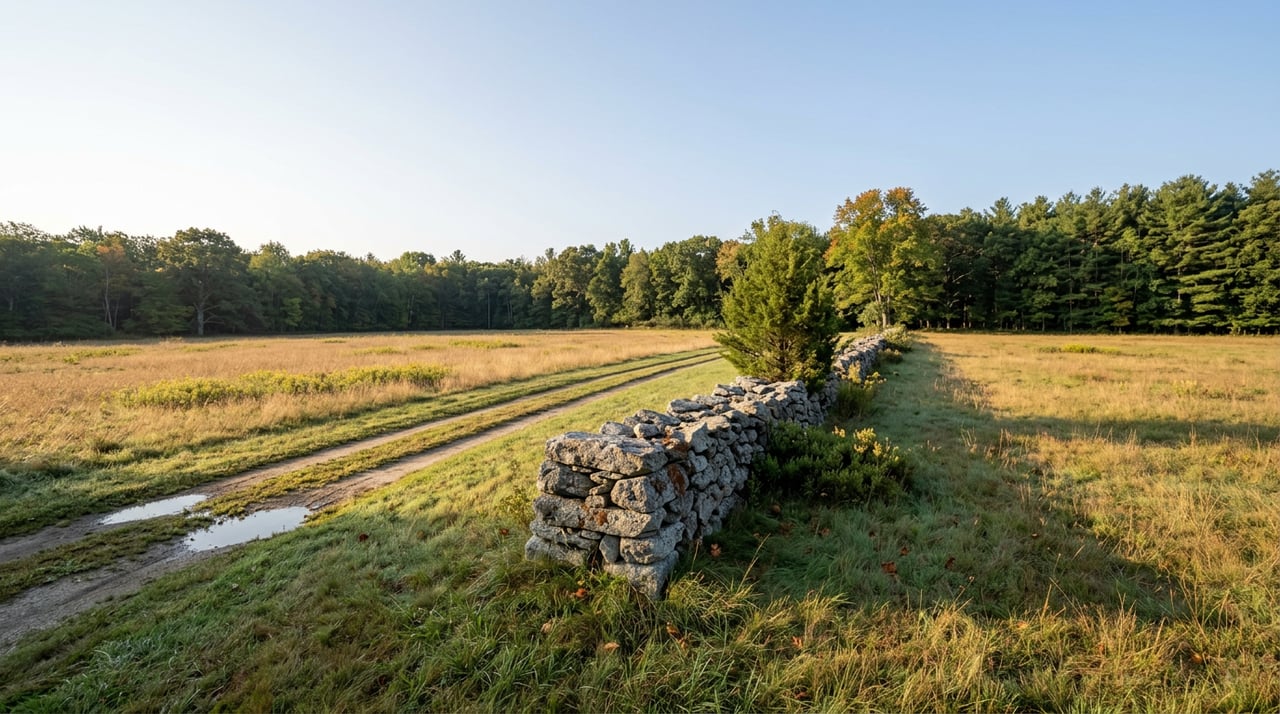
Canterbury is not a generic market for older homes. It is a primarily rural and residential town with a strong agricultural character, and the town places clear value on preservation and rural village atmosphere. That means buyers often look at more than size and bedroom count when they evaluate an antique property.
For many Canterbury homes, value is tied to setting, character, and historic context as much as square footage. If your property sits in one of the town’s historic districts, that can shape both how you prepare the home for sale and how buyers think about future changes. In a market like this, the story of the home matters, but so do the practical details.
Canterbury also has local historical resources that may help you document your home’s background. The Canterbury Historical Society maintains archives with town records, photographs, oral histories, and other materials that can help support a property narrative. For the right buyer, that added context can make your listing feel grounded and authentic rather than generic.
When you sell an antique home in New Hampshire, one of the smartest things you can do is organize known facts early. State law requires licensees to disclose known material physical, regulatory, mechanical, or on-site environmental conditions before a buyer makes a written offer. There is no duty to investigate unknown defects, which makes clear seller documentation especially important.
In plain terms, you do not want key details living only in memory. If you know about a foundation repair, chimney issue, water quality result, or septic concern, it is better to have that information documented and ready. Clear records support a smoother, more credible sale.
You should also expect an agency disclosure form at the first business meeting with a real estate professional, before confidential information is discussed. That is a normal part of the process in New Hampshire and helps clarify the working relationship from the start.
Many antique homes in Canterbury rely on private systems, and buyers usually ask about them quickly. New Hampshire disclosure rules call for specific information when a home has a private water supply, including the type of system, location, known malfunctions, installation date, most recent water test, and whether there has been an unsatisfactory test or a test with notations.
The same goes for private sewage disposal systems. Sellers should be ready with the system location, any known malfunctions, the date of the most recent servicing, and the name of the servicing contractor. If you have these records in one place before listing, you can answer questions faster and reduce uncertainty.
Insulation disclosure is also required in New Hampshire. You should be prepared to share the type and location of insulation in the home. In an older property, buyers often ask about comfort and efficiency, so this information can be useful beyond simple compliance.
If your Canterbury home was built before 1978, lead-based paint should be part of your prep checklist. According to the EPA, older homes are more likely to contain lead-based paint, and homes built before 1940 have especially high likelihood of containing some lead-based paint.
Before a contract is signed, sellers must provide any known information about lead-based paint or lead hazards, along with any available records or reports. If you have prior testing, renovation paperwork, or contractor records, gather them early. This is one of the most important disclosure areas for antique homes.
If you plan to do touch-up work before listing, be careful. Small projects like scraping, sanding, window repair, or trim work in a pre-1978 home can create lead dust. If your updates will disturb painted surfaces, use lead-safe certified contractors rather than treating it like a simple DIY project.
If your property is located in Canterbury’s Center Historic District or Preservation District, exterior changes may need review by the Historic District Commission. This can include erection, alteration, repair, removal, relocation, or demolition of a building or visible feature. It can also include stone walls, fencing, grading, excavation, changes to natural features, and disturbance of known or suspected archaeological sites.
That does not mean every project needs approval. Ordinary maintenance and repair that do not change the design, dimensions, materials, or outer appearance are not reviewed, and painting or repainting is not reviewed either. Still, if you are unsure whether planned prep work crosses the line, it is smart to check before work begins.
The commission requires an application before covered work starts, and that application may call for supporting materials such as photographs, site plans, elevations, and material samples. If your home has had visible exterior work over the years, it is helpful to gather records and photos early so you are ready if questions come up.
Antique homes tend to sell better when the file is as thoughtful as the marketing. A good pre-listing file helps buyers feel informed and helps your listing agent present the home with confidence. It also supports New Hampshire’s disclosure framework, which focuses on known facts and material conditions.
Here are some of the most useful items to gather before you go live:
This kind of prep does more than answer buyer questions. It helps your home feel cared for, transparent, and easier to understand.
Pricing an antique home in Canterbury usually takes more nuance than pricing a newer resale. Square footage still matters, but it should not be the only driver. Buyers for older homes often look closely at condition, originality, maintenance history, system age, lot setting, and the overall buyer experience the property offers.
That is especially true in Canterbury, where rural character and preservation are part of the town’s identity. Two homes with similar size may appeal very differently depending on their setting, systems, upkeep, and historic feel. A thoughtful pricing strategy should reflect both the home’s charm and the practical realities buyers will weigh.
This is where strong local guidance matters. A listing strategy for a character property should balance aspiration with documentation, so the price feels supported by the home’s condition, story, and setting.
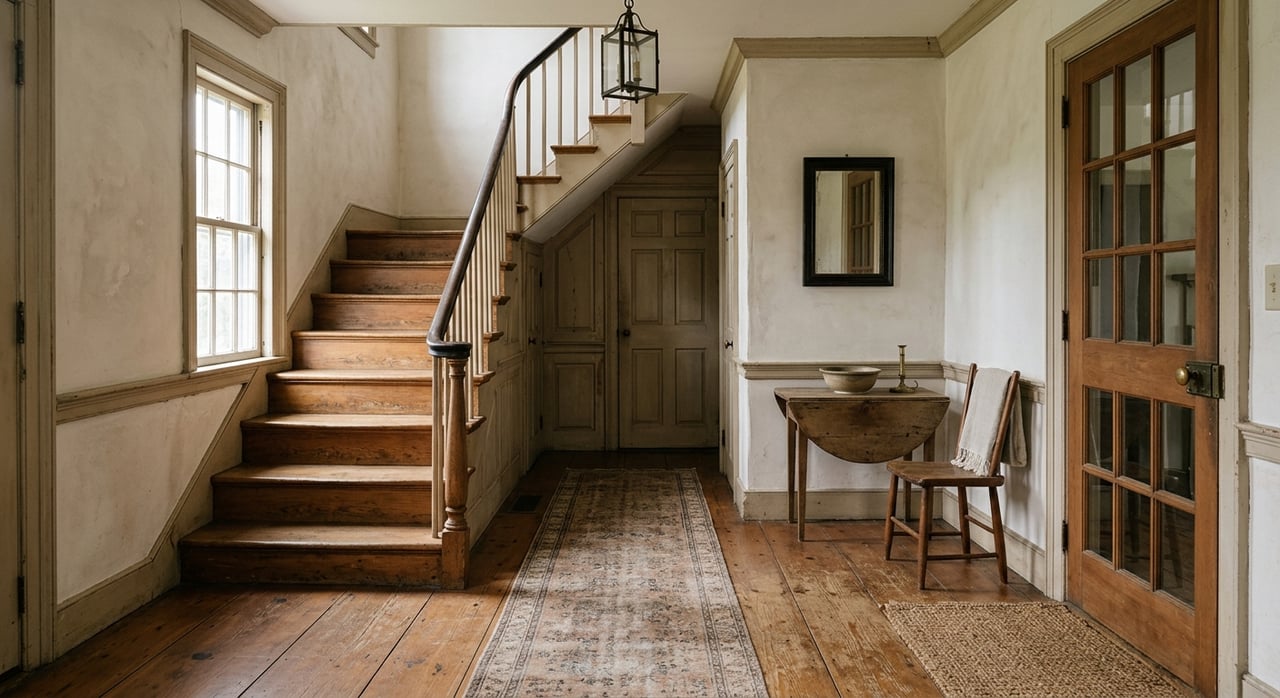
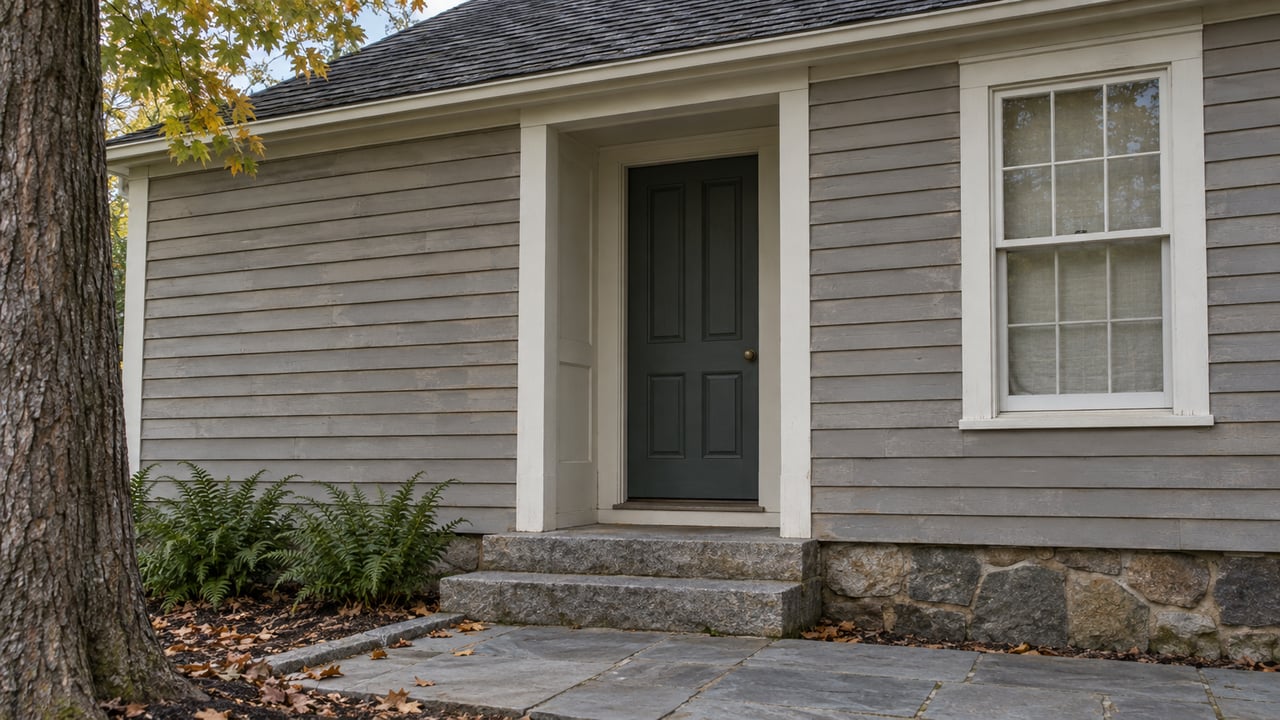
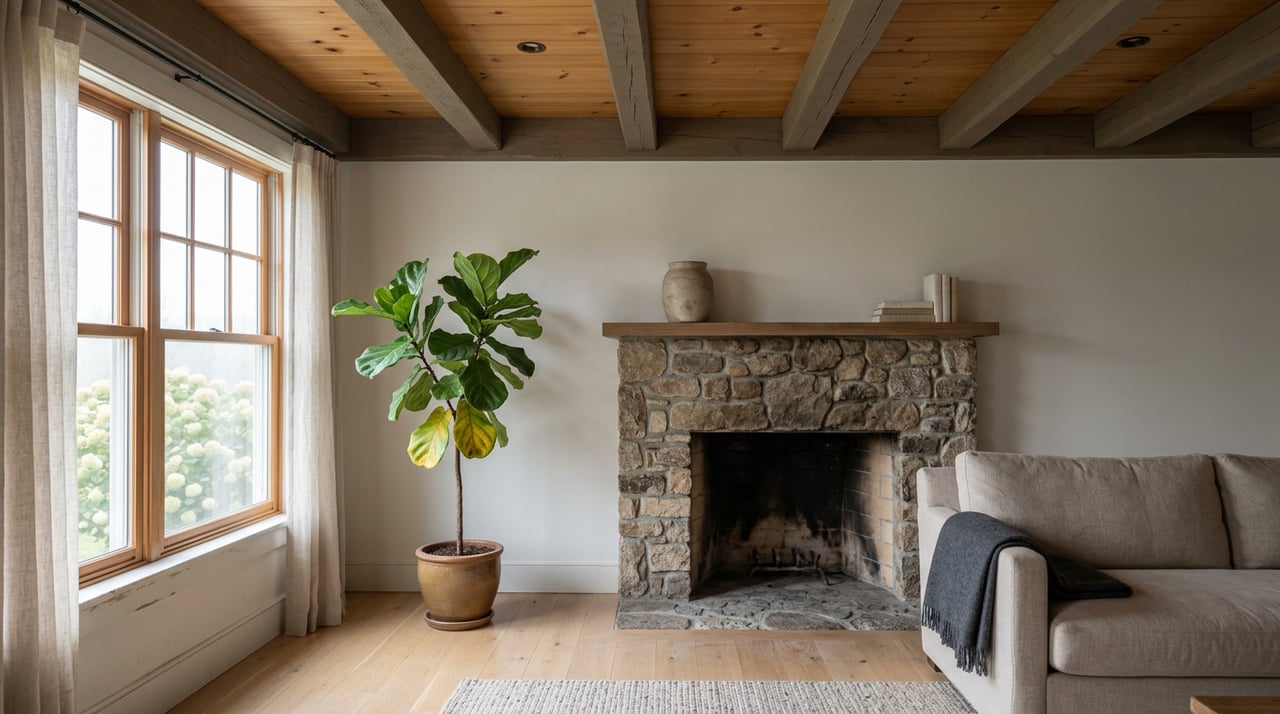
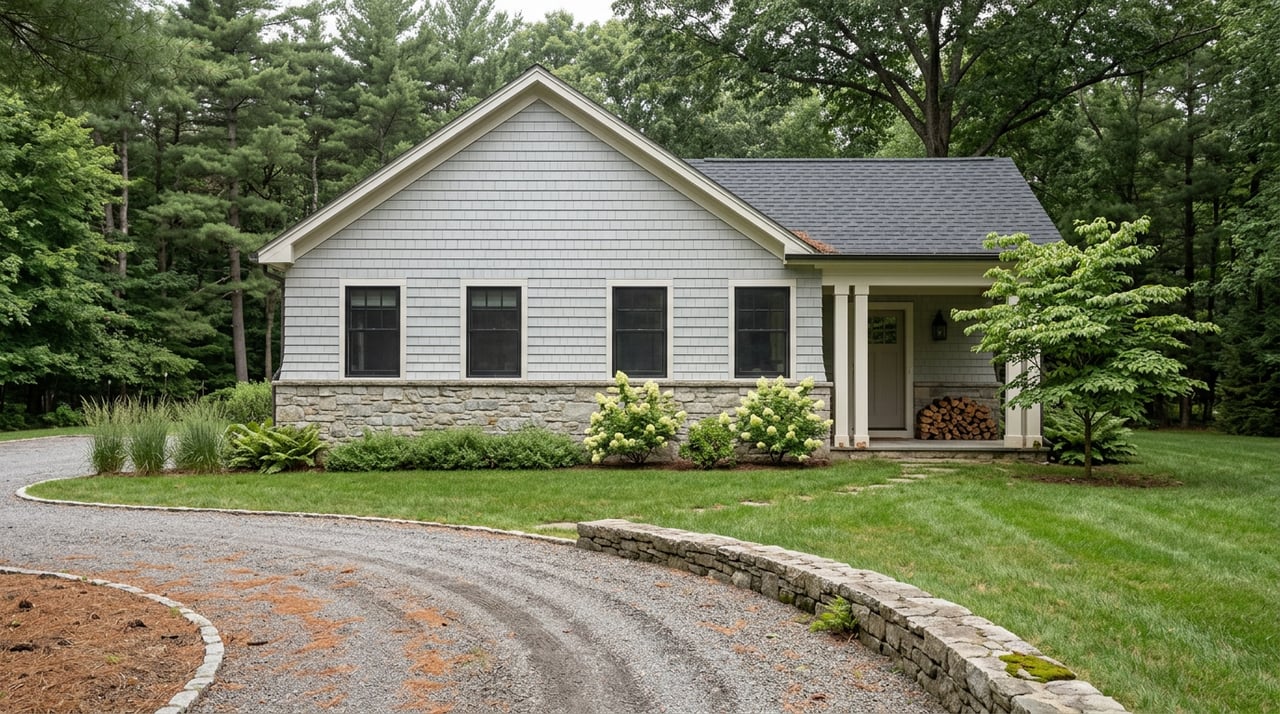
The goal of staging an antique home is not to make it feel brand new. It is to help buyers appreciate the details that make it memorable while keeping the space clean, calm, and easy to understand. In many cases, less is more.
Focus on original features and architectural details such as:
Good presentation should celebrate the home’s age without making buyers work to see its potential. Professional photography and thoughtful visual marketing can help buyers connect the dots between character and livability.
Antique home buyers often fall in love with the charm first, then move quickly into practical questions. The smoother your answers, the more trust you build. In Canterbury, many of those questions center on systems, approvals, and site conditions.
You should expect questions like these:
For rural properties, site conditions can be especially important. Canterbury planning materials note that factors such as dirt roads, steep terrain, wetlands, soils, conservation easements, and lack of town water or septic in some areas can shape development and use. If your lot includes features like nearby water, system setbacks may also matter. For example, Canterbury’s zoning ordinance requires septic tanks and leach fields to be set back at least 125 feet from certain public waters and year-round streams.
The best antique-home listings do two things well at the same time. They tell a compelling story about the home’s history, setting, and character, and they provide straightforward facts about condition, systems, and known issues. One without the other can leave buyers either underwhelmed or uneasy.
A balanced listing approach builds trust. You want buyers to feel the warmth and history of the property, but you also want them to see clear records, honest disclosures, and evidence of care. That combination tends to create stronger interest and smoother negotiations.
Selling a cherished older home can feel personal, especially if you have been its steward for years. With the right preparation, you can protect what makes the property special while giving buyers the clarity they need to move forward with confidence.
If you are thinking about selling an antique or character home in Canterbury, a thoughtful plan can make all the difference. Allison Driscoll can help you prepare, position, and market your home in a way that honors its story while supporting a smooth sale.
Stay up to date on the latest real estate trends.
Our team offers personalized support for buyers and sellers who value lifestyle, community, and connection. Wherever you're headed, we’ll help you find the place that feels just right.