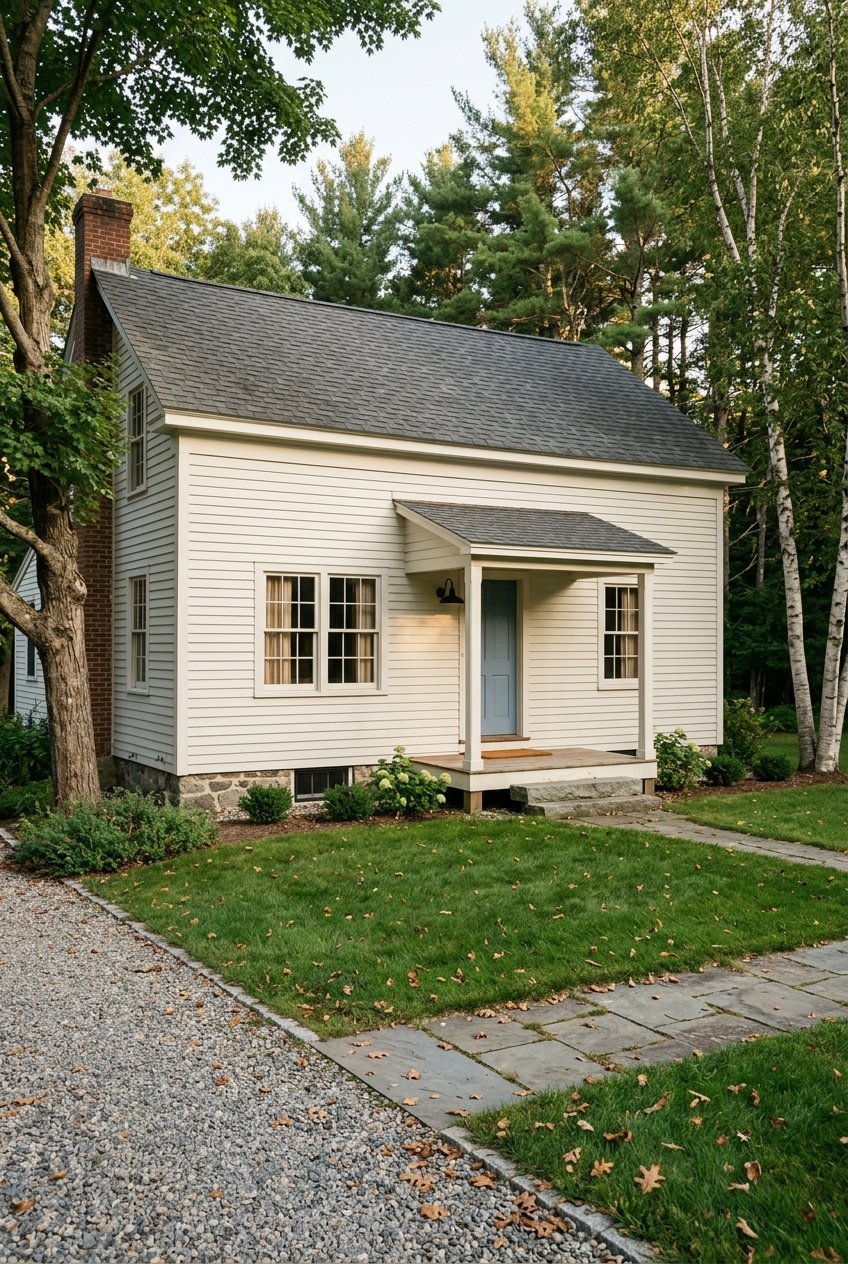
What to Know Before Buying a Gilmanton NH Antique Farmhouse
June 4, 2026
June 4, 2026
If you have ever dreamed of buying an antique farmhouse in Gilmanton, NH, you are not alone. These homes offer land, history, and character that newer construction often cannot match, but they also come with a different set of questions. When you know what to look for, you can move forward with more confidence and a clearer plan. Let’s dive in.
Gilmanton has the kind of rural New Hampshire setting that many farmhouse buyers are looking for. The town was chartered in 1727 and settled in 1761, and today it remains a small community with 3,997 residents spread across 57.9 square miles.
That low-density pattern shapes the buying experience. Census Reporter notes 2,413 housing units in town, with a median owner-occupied home value of $333,800, and local zoning reinforces the country feel that draws buyers to acreage and older homes.
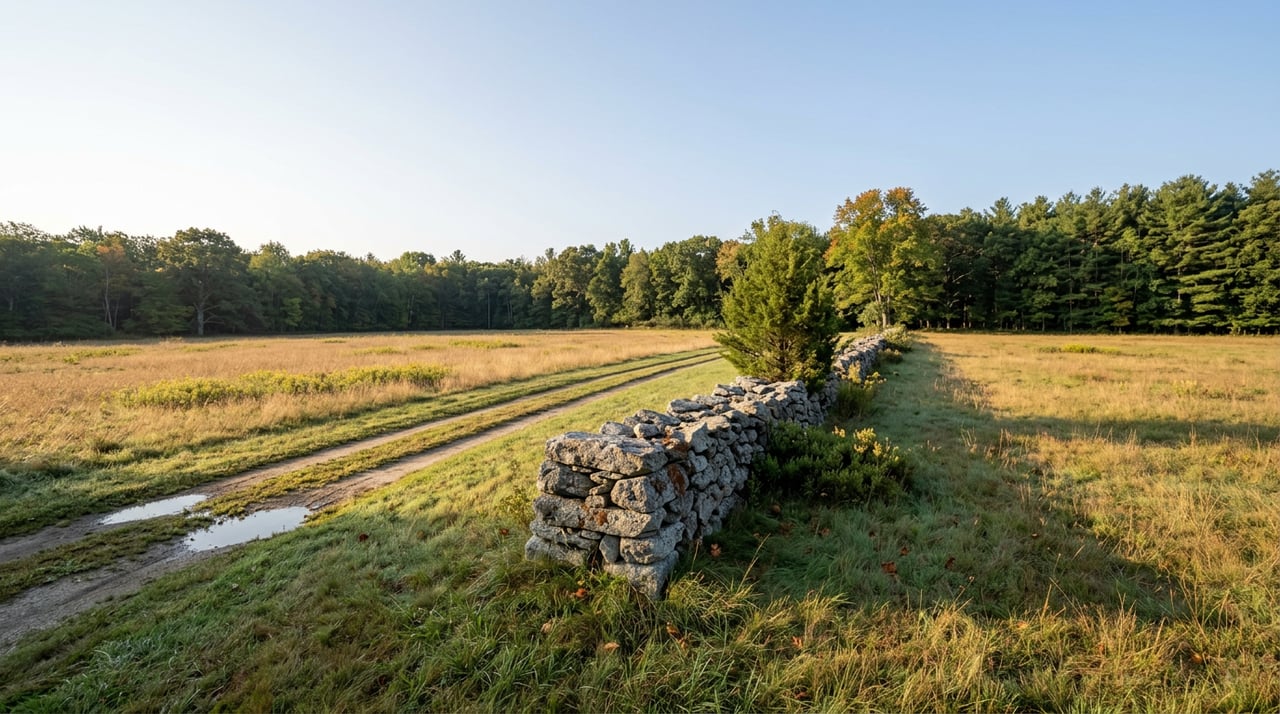
For many buyers, an antique farmhouse here is about more than the house itself. It is often a full property package that includes the home, the way it sits on the lot, older outbuildings, driveway placement, stone walls, and the sense of space around it.
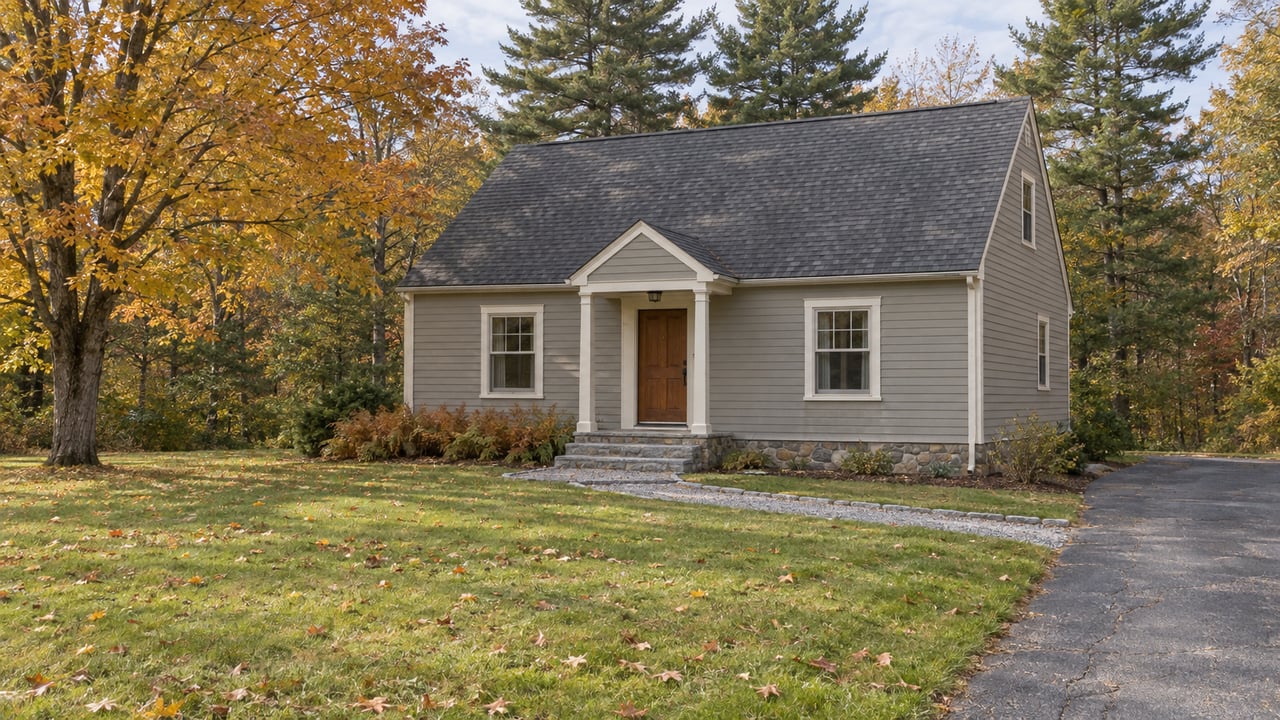
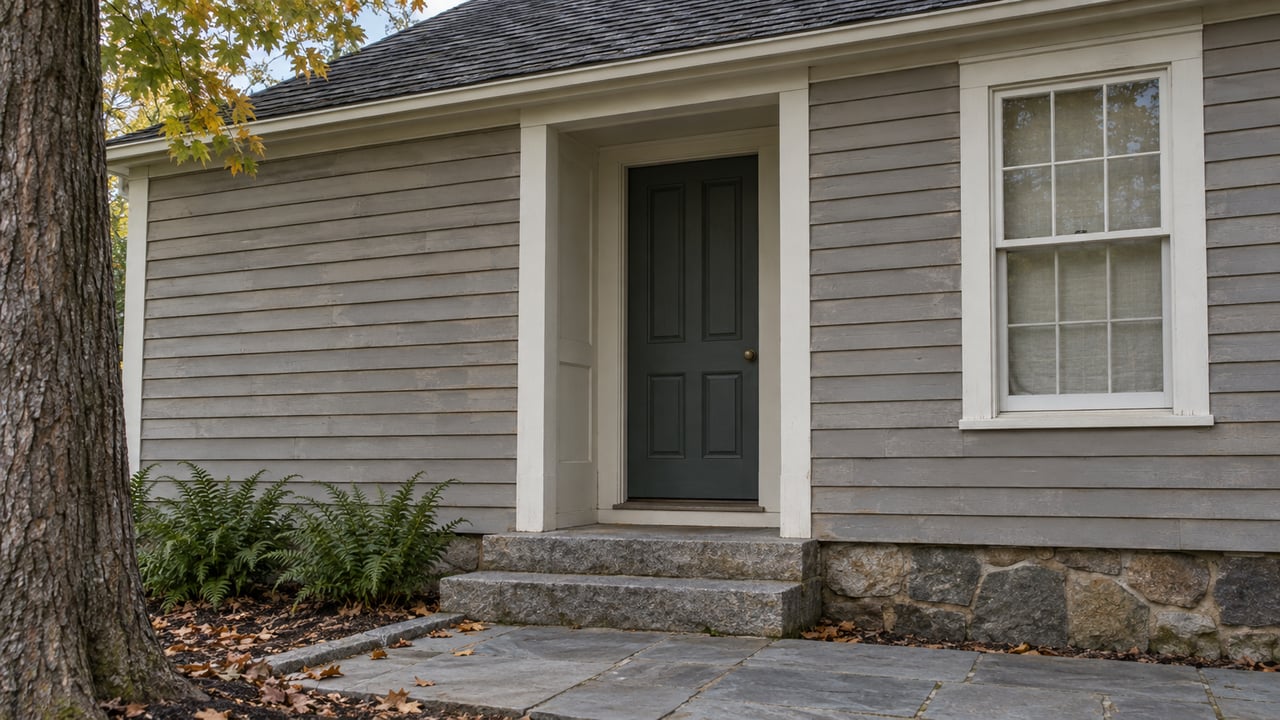
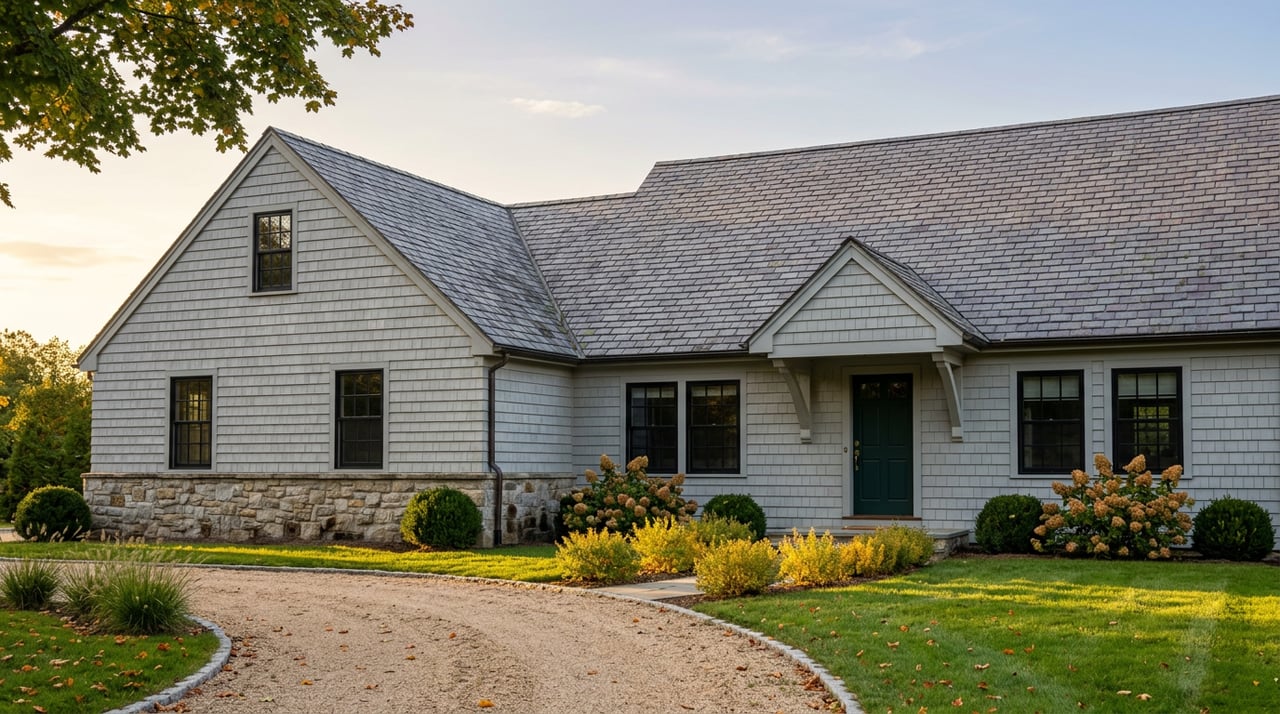
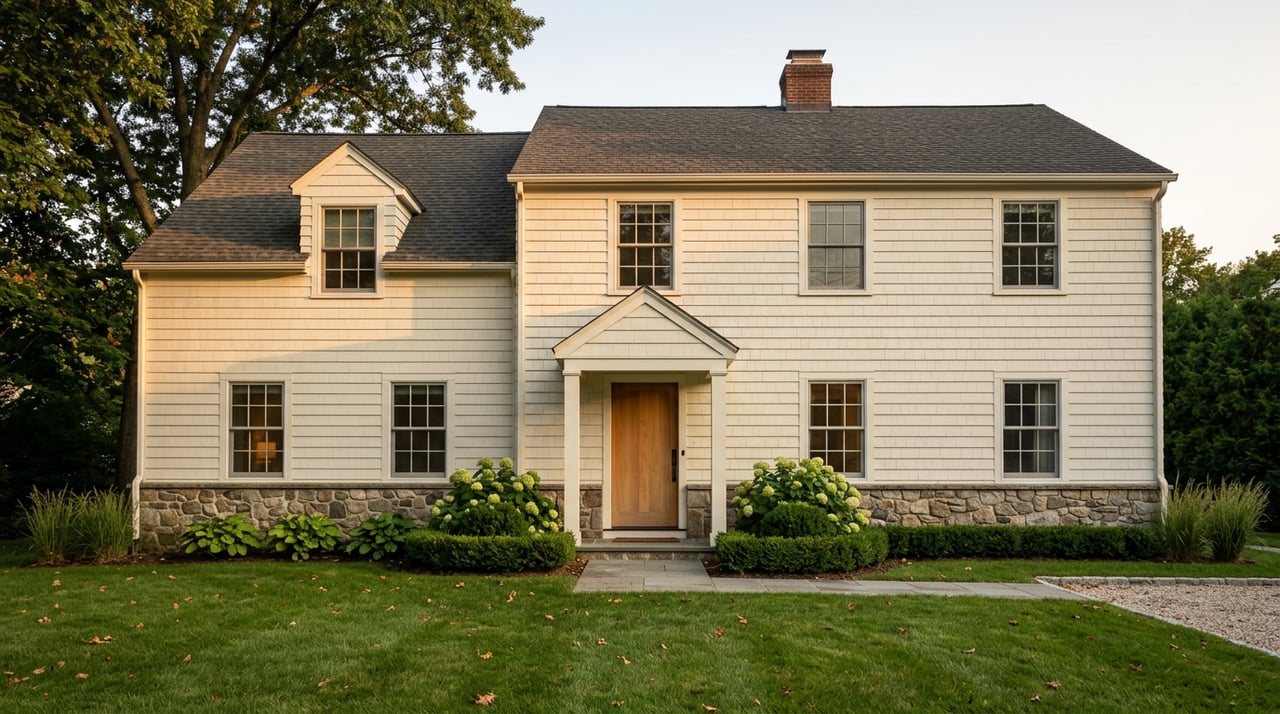
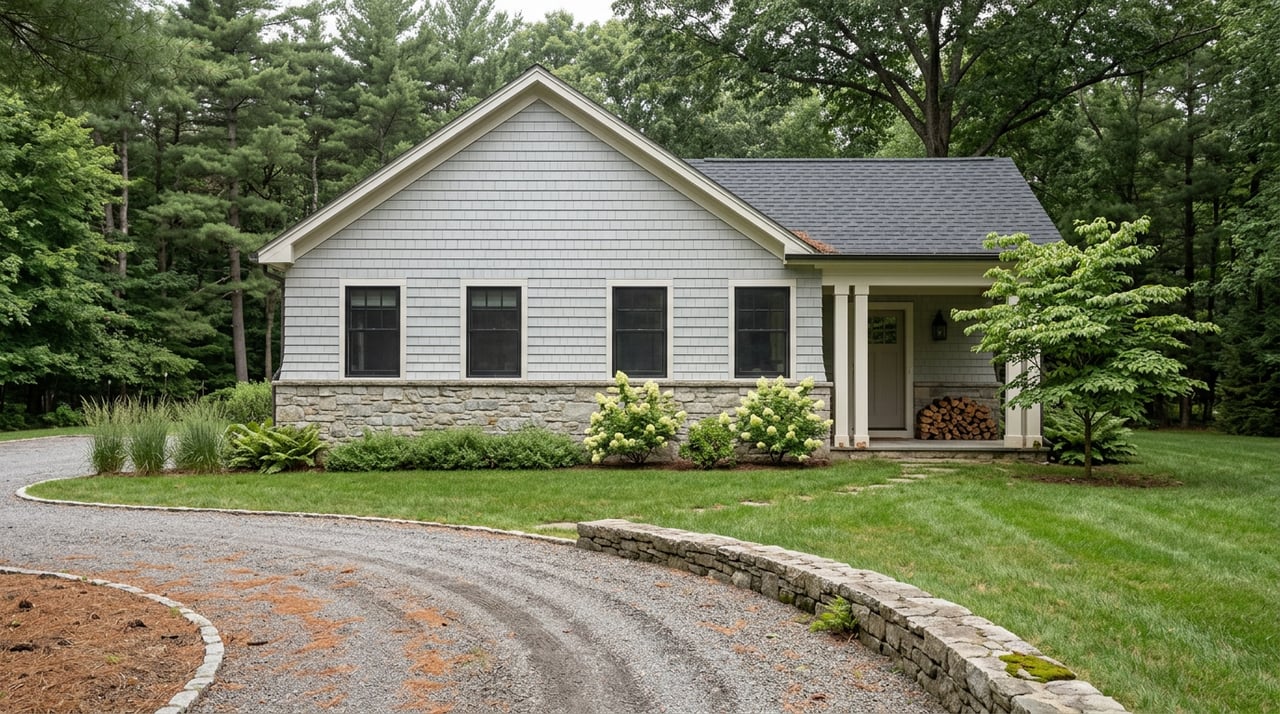
Many antique farmhouses in Gilmanton reflect classic New England building patterns. You may see a two-story wood-frame home, a simple room layout, and a central chimney, along with details that give the house its historic look.
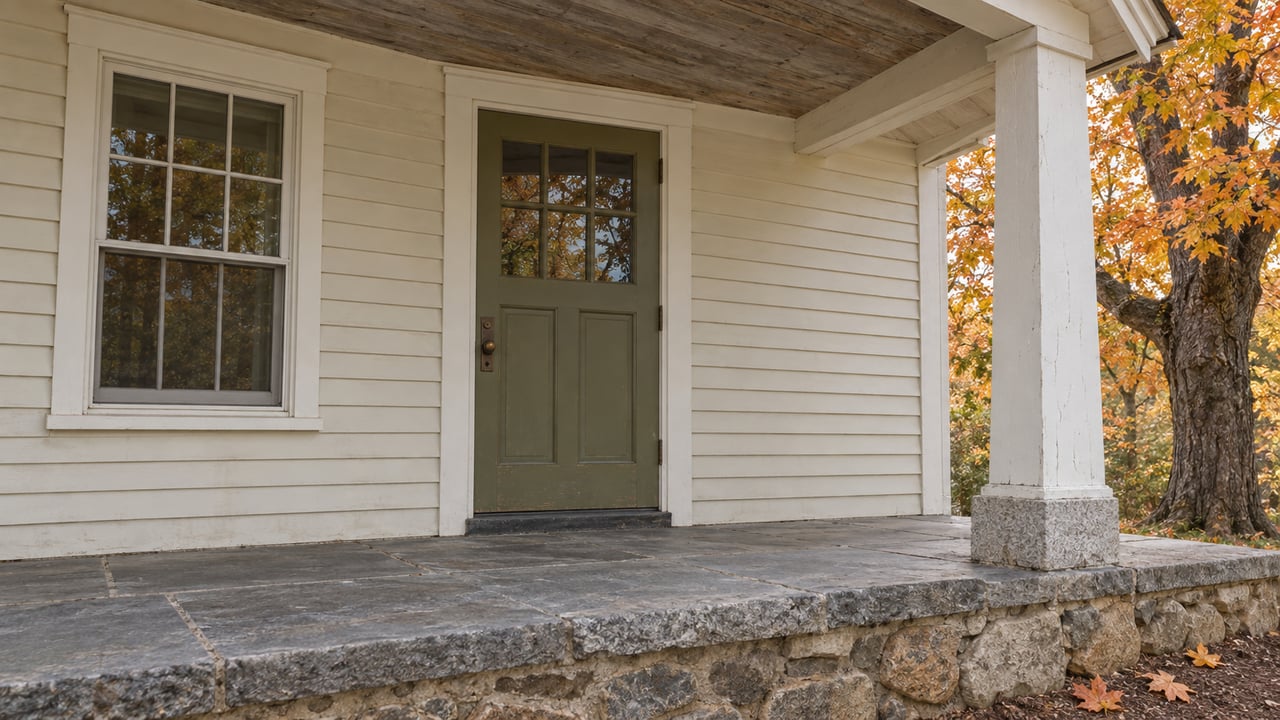
In Gilmanton’s historic district regulations, period-style features include wood clapboards or shingles, wood trim, granite or granite-faced foundations, muntin windows, and stone walls. Even when a home has been updated over time, these original elements often shape its charm.
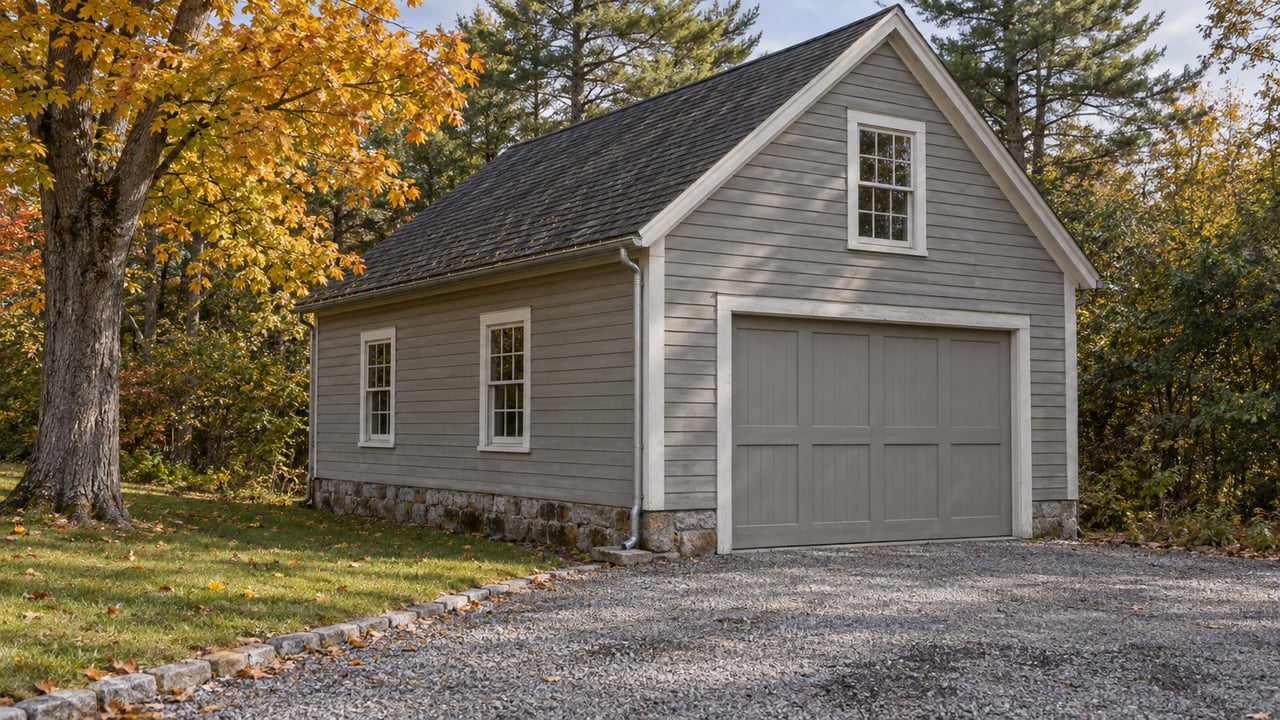
You may also find additions and detached structures that were built in stages over many decades. Barns, sheds, and small agricultural outbuildings can be part of the property story, which is one reason farmhouse purchases often require a wider lens than a standard single-family home search.
In Gilmanton, lot size is not just a nice bonus. It is often tied directly to zoning, future plans, and how you use the property.
The Rural Zone, which covers most of town, requires at least 2 acres and 200 feet of road frontage. The Conservation Zone requires 10 acres and 400 feet of frontage, while the Residential Lake Zone requires 1 acre and 125 feet. Recent farmhouse and antique-home listings in Gilmanton have ranged from about 3 acres to 21 acres.
That means two homes with a similar look can come with very different land-use realities. If you are picturing gardens, outbuildings, an addition, or a change in use, zoning should be part of your decision early in the process.
Some of Gilmanton’s most appealing antique homes are located in the Corners and Meeting House historic districts. In these areas, the town has additional review standards meant to preserve the historic character of the district.
Local regulations define a "Period Building" as one built between 1770 and 1840. If your property falls within one of these historic districts, exterior changes, additions, new construction, and land use are reviewed by the Historic District Commission.
This matters if you are planning to replace windows, change siding, alter trim, update a foundation appearance, reroute utilities, or build onto the home. Before you fall in love with a renovation vision, it is smart to confirm what approvals may be required.
For antique farmhouse buyers in Gilmanton, septic and water should move to the top of your checklist. Rural properties often rely on private systems, and those systems can shape financing, future use, and near-term repair costs.
Gilmanton’s zoning ordinance says that if a structure adds a bedroom or converts from seasonal to permanent use, the existing septic system must be evaluated by a New Hampshire licensed designer. That makes septic condition especially important if you want to expand the home or change how it is used.
For waterfront properties within protected shoreland, New Hampshire DES requires a buyer-paid septic evaluation before transfer when the septic system is within 250 feet of the water reference line. If the property has lake or shoreland features, this is an important detail to understand upfront.
Private wells are also common in rural settings. EPA says homeowners are responsible for making sure private well water is safe, and it recommends annual testing for total coliform bacteria, nitrates, total dissolved solids, and pH.
A standard home inspection is important, but antique farmhouses usually call for a more focused approach. Age, materials, and prior repairs can create conditions that do not show up in the same way as they do in a newer home.
Lead is one of the first issues to keep in mind. EPA says 87% of homes built before 1940 contain some lead-based paint, and federal rules require sellers of most pre-1978 homes to disclose known lead information and give buyers a 10-day period to inspect for lead-based paint hazards.
Moisture and winter performance are also common concerns in older New Hampshire homes. The New Hampshire Preservation Alliance notes that historic homes are often under-insulated and not well sealed, which can lead to ice dams, roof leaks, and moisture issues around chimneys, gutters, attic spaces, and crawlspaces.
When you tour an antique farmhouse, try to look past the charm for a moment. Ask how the house handles winter, whether there has been water intrusion, and what parts of the home have been improved versus simply maintained.
Financing an older property can be very doable, but it helps to understand how condition can affect the path forward. This is especially true if the home has deferred maintenance or if key systems need attention.
HUD states that FHA financing can work for older homes, but the appraisal is a value and habitability review, not a substitute for your own inspection. HUD also encourages borrowers to get an independent detailed home inspection.
If the property needs substantial work, FHA’s 203(k) program may be an option for a home that is at least one year old, along with financing for rehabilitation. For farmhouse buyers, this can be helpful when the property has strong potential but needs meaningful updates.
HUD also notes that individual sewage systems and water systems must meet local or state acceptability standards. In practice, that means septic paperwork, visible system condition, and water testing can all affect lender requirements.
Many buyers fall in love with an antique farmhouse because of what it could become. That vision can be exciting, but local permitting should be part of the plan from the start.
Gilmanton says building permits are reviewed within 3 to 5 business days. The town also requires a site plan for new structures to verify setbacks, and the New Hampshire Energy Code Form EC1 must accompany building permits for new, added-on, or renovated residential or business space.
If the home is in a historic district, exterior work may need another layer of review. The district regulations cover items such as siding, trim, foundations, windows, chimneys, and utility routing, so your renovation timeline may involve more than one approval step.
If you are considering buying an antique farmhouse in Gilmanton, keep your research focused on the items that most often shape cost, usability, and peace of mind.
Buying an antique farmhouse is part home search and part puzzle-solving. You are weighing architecture, land, systems, local regulations, and your own long-term goals all at once.
That is why local context matters so much in a town like Gilmanton. The right guidance can help you understand whether a property truly fits your lifestyle, your budget, and your renovation appetite before you commit.
If you are exploring antique homes, homesteads, or acreage in central New Hampshire, working with someone who understands both the character and the practical side of these properties can make the process feel much more manageable. When you want thoughtful, research-driven support, Allison Driscoll is here to help.
Stay up to date on the latest real estate trends.
Our team offers personalized support for buyers and sellers who value lifestyle, community, and connection. Wherever you're headed, we’ll help you find the place that feels just right.