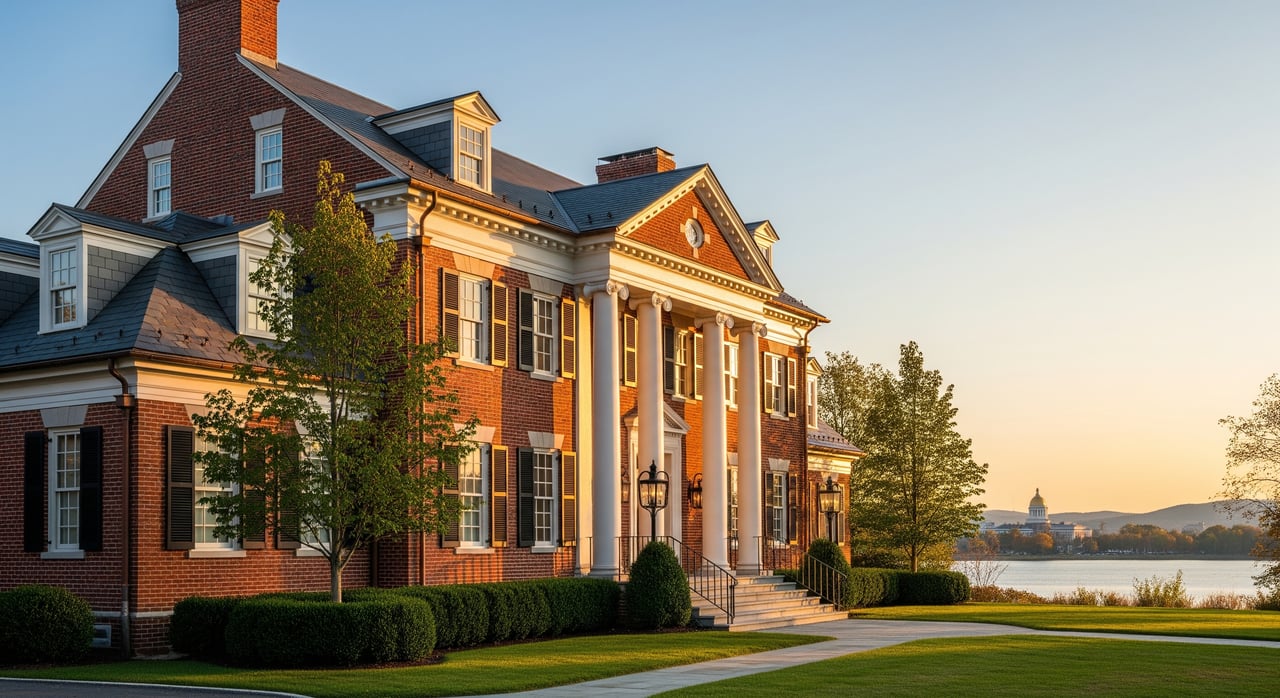
Concord NH Relocation Guide to Help You Decide
February 5, 2026
February 5, 2026
Thinking about a move to Concord, New Hampshire? You are not alone. Concord blends small-city convenience with outdoor access and a steady job base, which makes it a smart option for many buyers and relocators. In this guide, you will learn how neighborhoods differ, what commuting looks like, how schools and services work, and what to consider for taxes and costs. Let’s dive in.
Concord is New Hampshire’s capital, set along the Merrimack River in Merrimack County. You get a classic New England downtown with restaurants and cultural spots, plus residential areas that range from historic streets to newer subdivisions and rural edges. Its central location puts the White Mountains, the Lakes Region, and the seacoast within a one to two hour drive.
If you want a balanced lifestyle, Concord can be a good fit. It offers government, healthcare, education, and small business employment, plus parks, trails, and easy highway access. You can explore city services, parks, and planning updates on the City of Concord website.
Every buyer has a different picture of home. Here is how Concord’s areas tend to feel, so you can match your lifestyle to the right streets.
You will find historic brick buildings, Victorian homes, and condo or apartment options near Main Street. This area is the most walkable, with short trips to state offices, cafes, and cultural venues. If you value a car-light lifestyle, begin here.
West-side neighborhoods include many mid-20th-century homes on established streets. Yards, tree-lined blocks, and a quieter feel are common. If you want a single-family home with everyday convenience, this side often checks the boxes.
Penacook has a village-like feel within city limits, including some historic homes and pockets that feel a bit more rural. If you want a neighborhood atmosphere with quick access to the city, it is worth a look.
You will see newer subdivisions and homes on larger lots on the south and east edges. Highway access is straightforward in many of these areas. If you prefer newer construction and a suburban layout, put these on your shortlist.
Just beyond city neighborhoods, you can find larger lots, small farms, and wooded properties. If you are drawn to homesteads, gardens, or a bit of elbow room, the rural edge can deliver that feel while staying commutable.
Tip: Ask about any historic districts or preservation guidelines for older streets. If you are eyeing riverfront or low-lying areas, review local floodplain rules and maps before you commit.
Concord is a regional job center, and many residents also commute south to Manchester or beyond. Driving is the most common mode, and winter conditions can extend travel times. If you plan to commute, test your route during peak hours, including a snowy day if possible.
If walkability matters, downtown is your best starting point. For other areas, consider a hybrid approach with biking, buses, and ridesharing. You can also follow local transportation updates through the city and regional providers.
Public schools in most of the city are part of the Concord School District. For enrollment, boundaries, and policies, start with the Concord School District site. For statewide performance data and accountability reports, use the New Hampshire Department of Education.
If schools are a top factor for you, verify your specific address for school assignment, review program offerings, and visit campuses. Many families also look at third-party summaries when forming a picture of the student experience. For private options, you will find several independent and parochial schools nearby. Confirm admissions timelines early if you are relocating midyear.
Childcare capacity can be tight across central New Hampshire. To search licensed centers and family providers, use the NH Department of Health and Human Services resources and call ahead to confirm openings, hours, and waitlist details.
Adult learners and career switchers have local options too. NHTI, Concord’s community college, offers certificates, associate degrees, and workforce training. Proximity to regional universities expands choices for continuing education.
The Merrimack River runs through Concord, and you will find trails and green spaces across the city. Popular city parks include White Park and Rollins Park, plus several neighborhood playgrounds and athletic fields. For the latest amenities, permits, and seasonal programs, check the City of Concord parks pages.
If you love the outdoors, Concord’s central location is a plus. You can head north for the White Mountains, west to the Lakes Region, or southeast to the seacoast for beach days and coastal towns. In winter, nearby areas offer skiing, snowshoeing, and snowmobiling.
Downtown brings cultural life together with restaurants, coffee shops, and community events. You will also find farm markets and seasonal festivals throughout the year. Healthcare is anchored by Concord Hospital, which offers a range of services and specialty care.
New Hampshire has no broad-based state sales tax and no personal income tax on wages. Taxes on interest and dividends may apply. Property taxes are a major local cost factor, and rates vary by municipality.
For day-one budgeting, include snow removal, seasonal heating costs, and a small contingency for New England weather. A property that fits your lifestyle plus your operating budget will feel better long term.
If this sounds like you, Concord is worth a serious look.
Use this simple checklist to move from research to clarity:
If you want a guide who will balance lifestyle fit with the realities of the market, we are here to help.
Holistic Homes Group serves buyers and relocators across greater Concord with a lifestyle-first, research-backed approach. We help you compare neighborhoods, understand property types, and navigate details like utilities, taxes, and environmental checks with calm, clear guidance. If you are ready to explore Concord with a trusted local partner, connect with Allison Driscoll and schedule your free 30-minute consultation.
Stay up to date on the latest real estate trends.
Our team offers personalized support for buyers and sellers who value lifestyle, community, and connection. Wherever you're headed, we’ll help you find the place that feels just right.