Guide to Gilmanton NH Homestead Living for New Buyers
February 19, 2026
February 19, 2026
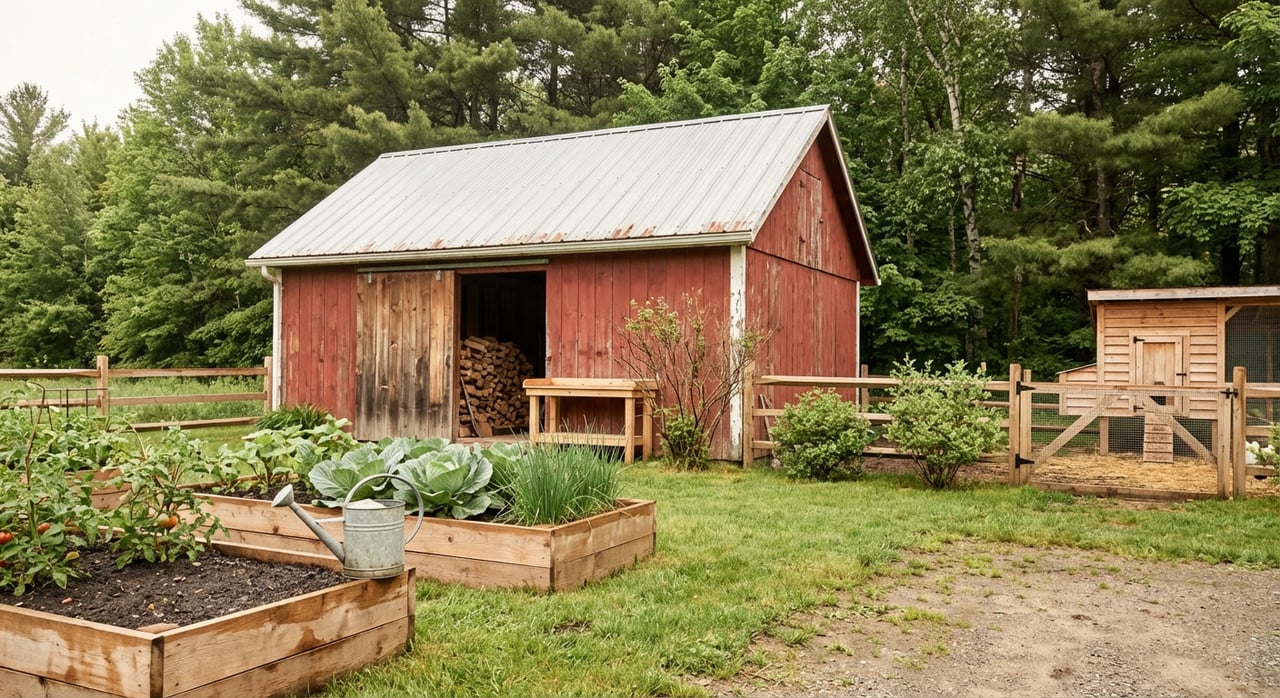
Dreaming of a big garden, a small flock of hens, and room to breathe in New Hampshire? If Gilmanton is on your list, you’re on the right track for quiet, rural living with real small-farm potential. In this guide, you’ll learn the essentials for homestead buyers in Gilmanton, from zoning and permits to wells, roads, soils, animals, and taxes, plus a practical checklist to take on tours. Let’s dive in.
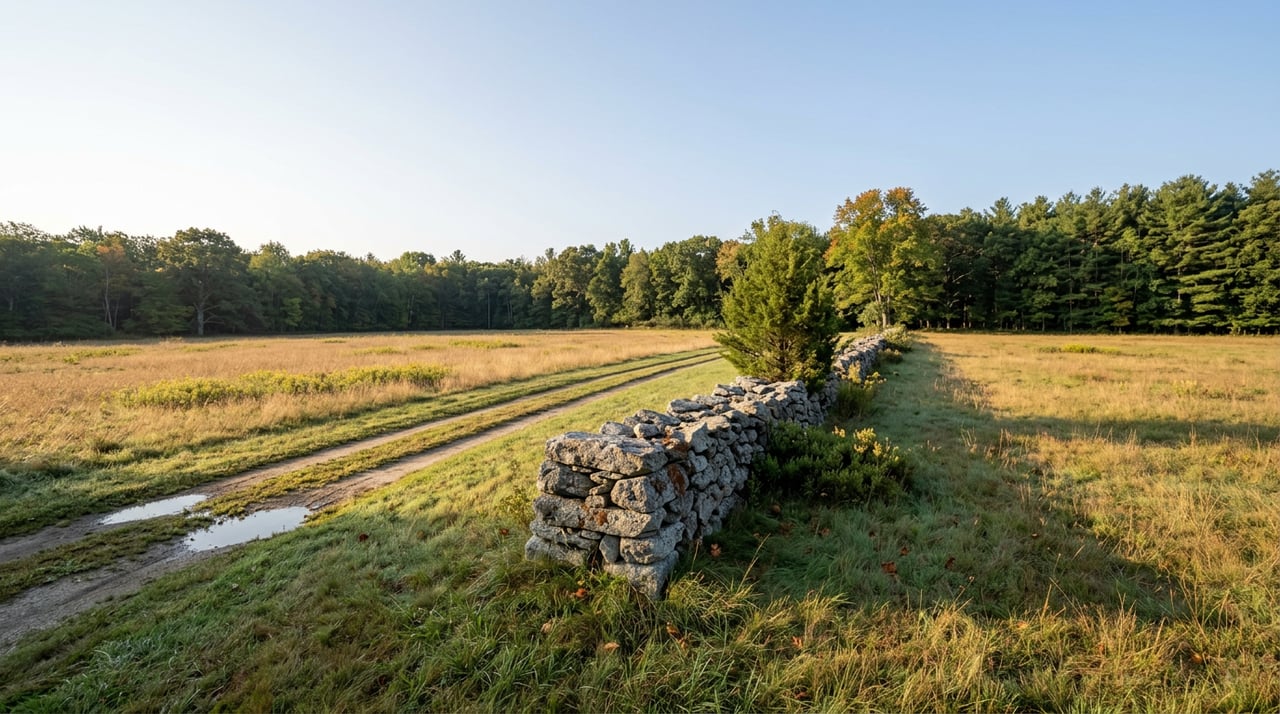
Gilmanton is a rural Lakes Region town with classic New England character: village centers, ponds and small lakes, forested uplands, and a patchwork of woodlots and fields. You’ll see stone walls, older barns, and properties that blend privacy with outdoor access. For a feel of the landscape and history, explore the town’s background through the Gilmanton historical overview.
Gilmanton’s Zoning Ordinance adopts New Hampshire’s definition of “agriculture,” which includes many farm and homestead activities. Agriculture is listed as a permitted use in key districts, and minimum lot sizes vary by zone. In general, lot sizes are around 2 acres in Rural areas, 10 acres in Conservation, and 1 acre in many Village or Residential Lake areas. Always verify the district and standards for a specific parcel in the Gilmanton Zoning Ordinance.
Agriculture as defined by RSA 21:34-a covers activities like keeping poultry and livestock, orchards, market gardens, maple sugaring, and related farm uses. Scale, setbacks, and whether you plan to sell products can trigger additional reviews. Before you assume a site can handle a barn, pasture, or farm stand, check the zoning map, frontage, and setback tables in the ordinance.
Most new structures require a building permit, including sheds, coops, decks, and garages. Many projects need a simple site plan that shows setbacks and the locations of the septic system and well. Electrical, plumbing, and mechanical work also need permits. Start with the town’s building and code application page and ask the seller for copies of any prior permits and septic designs.
For larger barns or any commercial processing, talk with Planning and Zoning early to confirm whether site plan review or a special exception is required. The zoning ordinance also covers accessory farm buildings, some height exceptions, and protections near shorefront or wetlands.
Road type matters for financing, permitting, and long-term maintenance. Building or living on a lot that fronts a private or Class VI road comes with extra steps. Gilmanton may require a road agreement with the Selectmen and, in some cases, a variance if there’s no frontage on a Class V (town-maintained) road. Get clarity on the parcel’s road class and review the town’s guidance for building on a private or Class VI road.
Most Gilmanton homesteads use private wells and on-site septic systems. New Hampshire agencies strongly encourage buyers to test well water for bacteria, nitrates, arsenic, and, in some areas, radon. Start with the NHDES-recommended buyer’s package outlined in this overview of private well testing guidance. Ask the seller for well details, recent test results, and typical flow.
For septic, request the as-built septic plan, the date of the last pump-out, and any service records. If plans are missing, schedule a licensed septic evaluation during your inspection window. The town’s building and code page is a good place to confirm local submittal requirements.
If the property touches a pond, brook, or lake, expect added rules for setbacks and development. Gilmanton’s zoning includes shorefront and floodplain protections, and some work near water may also require state wetlands review. Check FEMA flood maps and confirm town requirements in the Zoning Ordinance.
Gilmanton generally sits in USDA Hardiness Zone 5b, with a shorter growing season and colder winters than southern New England. Frost-free outdoor planting often runs from late May into early October, depending on elevation and microclimate. You can cross-check local conditions on the USDA zone and frost map for 03237.
Soils vary across town. The region includes a recognized “Gilmanton” soil series, a loamy till common on drumlin and glaciated uplands. Many parcels support pasture, hay, and garden crops where stones have been cleared, but you will find stony pockets and wet areas. Review the Gilmanton soil series description and plan to order a soil test before committing to intensive gardens or pasture work.
Because Gilmanton adopts the state’s agricultural definition, you can generally keep animals like poultry, sheep, goats, cattle, equines, bees, and swine in the appropriate zones. Keep in mind that the number of animals, structure placement, manure handling, and whether you sell products can change what permits or reviews you need. Use RSA 21:34-a as your baseline, then confirm site-specific details with the town.
Plan ahead for veterinary and feed logistics. Large-animal vets serving the Lakes Region are available from nearby towns, but ask about coverage area, farm-call availability, and response times. Expect to drive to Tilton, Laconia, Belmont, or Meredith for bulk hay, specialty feeds, and tack. For husbandry how-tos, UNH Cooperative Extension offers local workshops and practical guides for backyard livestock and winter care.
If you’re buying acreage, New Hampshire’s Current Use program (RSA 79-A) can reduce taxes on qualifying farm, forest, or unproductive land. Many tracts qualify at 10 contiguous acres, or at smaller acreages if the land produces a threshold level of income each year. There is a land use change tax if the land comes out of Current Use. Read up on the basics and ask for the parcel’s enrollment (A-10) and any management plan via this overview of New Hampshire’s Current Use program.
Use this list while you tour and during due diligence. It will save time and surprises.
A final note on process: local permitting practice can change. Always confirm current requirements with Gilmanton’s Community Development and Building & Code Enforcement offices before you rely on informal guidance.
Ready to explore homestead properties in Gilmanton with a local, lifestyle-first approach? Schedule your free 30-minute consultation with Allison Driscoll to get a tailored plan for your search, due diligence, and first 90 days on the land.
Stay up to date on the latest real estate trends.
Our team offers personalized support for buyers and sellers who value lifestyle, community, and connection. Wherever you're headed, we’ll help you find the place that feels just right.