Gilmanton Acreage Zoning Basics for Homestead Buyers
January 15, 2026
January 15, 2026
Dreaming of a Gilmanton homestead where you can grow food, keep a few animals, and add a barn or greenhouse? If so, zoning rules and permits will shape what you can do and where you can do it. You want clarity before you buy or build so your plans stay on track and within budget. This guide walks you through the essentials for acreage and homestead buyers in Gilmanton, from zoning districts and animal rules to septic, wetlands, and the permit process. Let’s dive in.
Before you fall in love with a property, confirm three things: the zoning district, the allowed uses, and the dimensional standards for that lot. Zoning districts define what you can do by right and what may need a special exception or site plan review. For homesteaders, you want to know where gardens, animals, and outbuildings fit in.
If a use is allowed only by special exception, plan time for a Zoning Board of Adjustment hearing and conditions of approval.
Dimensional rules control building placement and the usable area of your land. Minimum road frontage can affect whether you can build or later subdivide. Setbacks from property lines, roads, and neighboring homes determine where barns, sheds, greenhouses, and fencing can go.
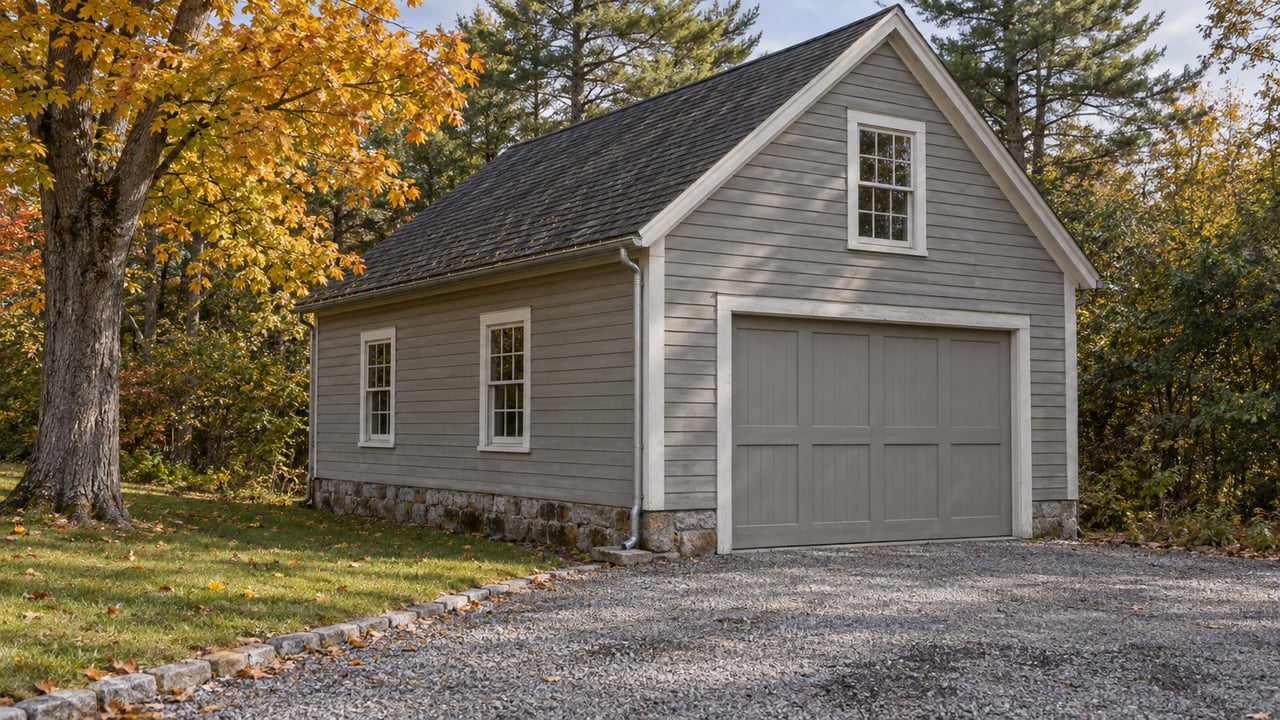
Outbuildings are central to homestead life, but size and placement matter. Some structures may require a building permit depending on size or use, and animal housing may carry additional conditions.
If you plan a barn with a hayloft or a tall greenhouse, check height limits and how they’re measured.
Keeping poultry, bees, goats, or a horse is often possible on rural acreage, but the details vary by district and scale. Some towns set animal numbers by acreage or require setbacks for coops and barns from neighboring dwellings.
Plan for good neighbor practices around noise, odor, and fencing to prevent complaints.
On-site wastewater rules shape how many bedrooms you can have and where you can build. Soil conditions and septic setbacks control system design and capacity. Private wells also follow state standards.
Even on large acreage, wetlands or poor soils can limit buildable areas. A site walk with a septic designer or soil scientist can save time later.
Wetlands and floodplains reduce where you can place structures, driveways, and fill. Work in or near wetlands usually requires state permits, and shoreland protections can apply near certain waterbodies.
Mapping is a starting point. Field verification by a qualified professional may be needed for precise boundaries.
Knowing who handles what helps you plan your timeline. Simple building permits may be quick, while site plan review or special exceptions take longer.
Public hearings, abutter notices, and application fees are common. Complex requests can take weeks to months.
Rural access can be a hidden cost. Driveways need permits and careful siting, and long runs can add culverts, grading, and maintenance needs. Utility availability can also vary by road and distance from service.
Plan your driveway location alongside your septic and building layout to avoid conflicts.
If you might subdivide later, test that idea before you buy. Minimum lot sizes, frontage, wetlands, and septic-friendly soils all affect feasibility.
A simple lot-line adjustment can be easier than a full subdivision but still requires mapping and approval.
Some properties carry deed restrictions that limit building, timbering, or commercial activity. Others are enrolled in current use taxation for forestry or agriculture, which can reduce taxes but carries penalties if land is removed from the program.
Knowing these constraints upfront helps you price and plan your purchase.
Use this quick list to protect your plans and budget:
Starting your conversations early with town staff keeps surprises to a minimum and timelines realistic.
Buying acreage in Gilmanton is about matching your vision to the right property. You need an advocate who understands homestead goals, rural permitting, and long-term fit. We guide you through zoning questions, coordinate the right inspections, and help you plan a buildable, functional layout.
If you are ready to explore homestead-friendly properties in Belknap County, connect with Allison Driscoll for a warm, research-driven approach that keeps your goals front and center.
Stay up to date on the latest real estate trends.
Our team offers personalized support for buyers and sellers who value lifestyle, community, and connection. Wherever you're headed, we’ll help you find the place that feels just right.